

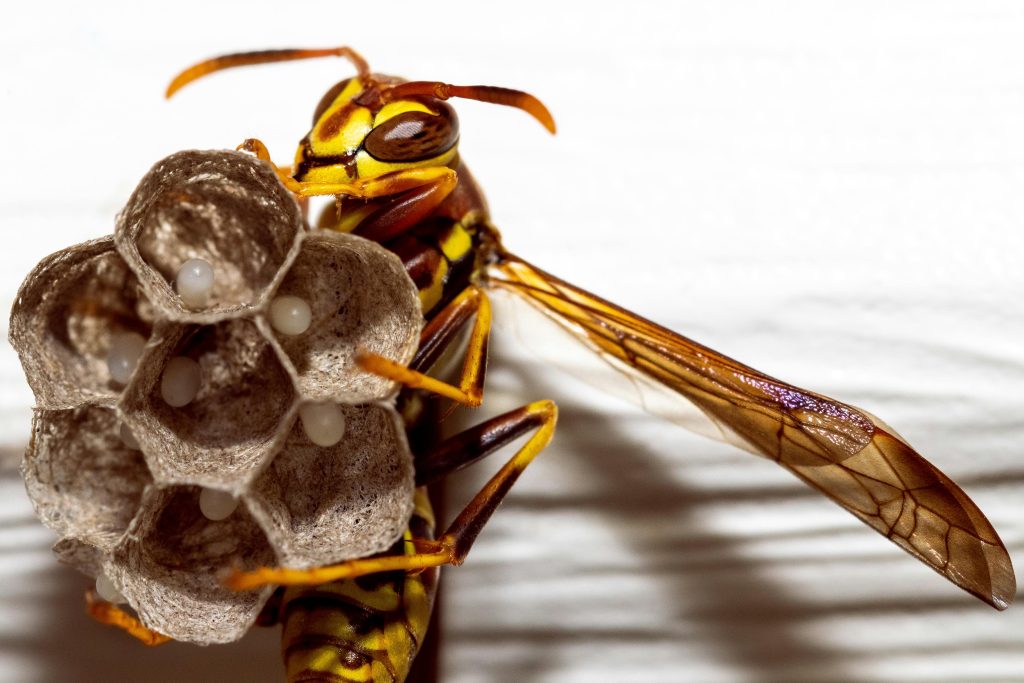
Wasps are one such common flying insect that is common to notice in both indoor and outdoor areas of a home. Although they do play a major role in nature, their stinging quality can be extremely harmful. Many homeowners have no idea how long do wasps live, which makes it hard for them to plan controlling measures. Understanding their lifespan is important to manage their infestation better for the future. This guide explains in detail how long do wasps live and explains all stages from egg to adult.
How Long Do Wasps Live? Overview
The lifespan of wasps varies depending on their role in the colony. Queens generally live several months, but worker wasps live a few weeks. Seasonal variations and the environment influence their life. Their lifespan helps human beings to deal with them safely and be aware of when nesting or dying.
Wasps are social insects, and they have organized colonies. They have a definite job to perform, and this determines their life span. Laborers are preoccupied with hunting, nourishment of the larvae and defense of the nest. Queens are concerned with laying eggs and the survival of the colony. Lifespan is different in species, position, and habitat. As you notice them in huge numbers, it is important to take quick measures of professional wasp and bee control.
Different Stages of How Long Do Wasps Live
Egg Stage
Wasps start their life as tiny eggs. The queen lays them in cellular structures. The egg phase normally takes one week. The eggs are responsible for the protection and care of the queen, and it is therefore the most vulnerable phase of a wasp’s life.
Larva Stage
Once hatched, wasps pass to the larval stage. This is the period when they develop very fast and get to feed on the food supplied by the worker wasps. This phase takes approximately two weeks. The larvae will stay in their cells, where their wing and body systems will develop, which will enable them to stay alive once they mature into adults.
Pupa Stage
During the pupal stage, wasps are transformed into adults. All the body organs and wings are formed fully as they remain in the protective cell. The duration of this stage may take one to two weeks. The pupal stage is silent but serious, the wasp being ready for the life of labour, flight and survival beyond the cell.
Adult Stage
Wasps do not begin as adults, and adults come out prepared to assume positions in the colony. Employees forage, raise larvae, and guard the nest. Queens focus on laying eggs. Workers are only able to live for several weeks, whereas queens may even live several months, particularly during the colder seasons, as they hibernate to spawn new colonies.
Important Factors Influencing the Lifespan of Wasps
Species Type
Different species have different lifespan durations. The life of social wasps, such as the yellowjacket, is shorter, whereas the solitary wasps may have a longer life. It is the species that dictates how they behave, their position in the colony, and their survival tactics and this directly affects the length of life of each wasp. Based on the specie, you can plan measures for quick yellow jacket nest removal Vaughan.
Environment
The environment contributes significantly towards life span. Life can be shortened by cold winters, hot summers or heavy rainfalls. In the safest places, such as buildings or thick foliage, wasps tend to live longer. This is because proper shelter, food, and security give them higher chances of survival during the seasons.
Role in the Colony
A wasp’s role affects its life. The worker wasps are the ones who spend most of their time working and face the exposure, thus their lives are shorter. However, queens are reproductive and hibernate during cold seasons. Their specialization enables them to be able to live longer than the other members of the colony.
Availability of Food
The survival of the wasp directly depends on food availability. They can grow due to a constant supply of nectar, insects, and protein. Limited resources diminish power and abbreviate life, whereas abundant food sustains growth, laying eggs, and guarding, which prolongs the life span of workers and queens.
Common Myths on How Long Wasps Live
Myth 1: Wasps Live for Years
It is always thought that wasps live for many years. As a matter of fact, worker wasps do not live beyond a few weeks, and queens do not live beyond a few months. The queen is only hibernating and only survives the winter, which is quite a short life to endure compared to most myths.
Myth 2: All Wasps Die in Winter
Not all wasps die in winter. Workers perish when temperatures fall, yet queens sleep in areas of safety. They endure the cold to begin new colonies in the spring to guarantee the continuation of the next generation. There are very few queens who manage to survive the harsh season.
Myth 3: Wasps outlive Cities
Cities do not necessarily increase the life span of a wasp. Cities can supply food sources, yet there are dangers such as pesticides and people, which lead to decreased survival. Lifespan is based on shelter, food and security and not just on location.
Myth 4: Frequency of Sting Reduces Life
Some think that wasps perish after stinging once, just like the bees. Most wasps can sting severally, with the death of honeybees as this is the case with most wasps. It does not directly decrease their lifespan by stinging, but repeated battles or risks, in self-defense, may diminish their lifespan.
Protect Your Home with Expert Wasp Control Services
Don’t let wasps take over your property! North Star Pest Control provides fast, safe, and professional wasp removal services. Our experts identify nests, remove colonies, and implement preventive strategies to keep your family safe year-round. Call today to schedule an inspection and experience peace of mind with the best wasp control solutions in your area!