

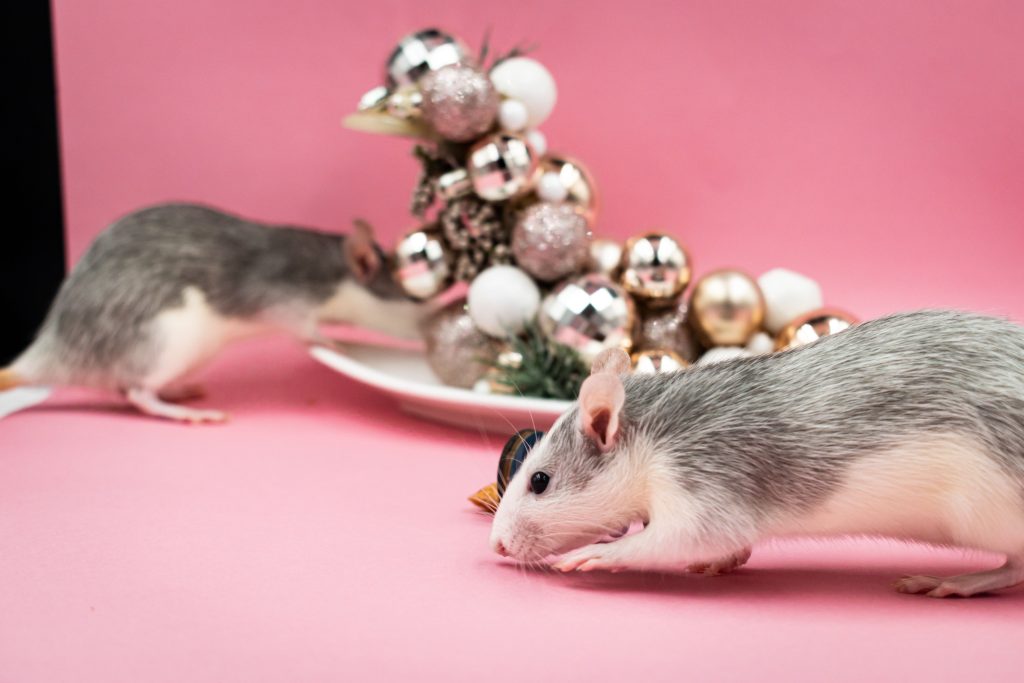
Roof rats are a serious pest that can quickly damage homes and commercial properties if left unchecked. They often chew roofing materials, insulation, electrical wiring, and stored belongings while creating hidden nests in quiet spaces. Identifying roof rats early helps prevent costly repairs and larger infestations. Simple prevention methods to identify and discourage roof rats, while professional pest control provides lasting protection and peace of mind for property owners.
Importance to Identify and Discourage Roof Rats
The best way to deal with rodents, which can be destructive, is to identify and discourage roof rats. They will gnaw on electrical wires and insulation, wood and stored materials, all of which can be expensive to fix. Roof rats can also contaminate your home with feces as well as urine that can carry diseases and harmful bacteria, reducing the health of your home. By catching them early, there will be no need to transform a small rat problem into a large rat problem.
Frequent checks as well as easy preventative measures help to keep your property, family, and possessions safe from harm. Seal up entry points, and get rid of food sources, and clean up outdoor areas to deter rats from your property. Using professional services of rat control in Richmond Hill assures long-term protection and peace when it comes to future issues and infestations.
Smart Ways to Identify and Discourage Roof Rats
Inspect Your Roof and Trees
One smart way to identify and discourage roof rats is to look at the roof, attic, and trees around your house periodically for rat activity. Check for signs of damage, chewing, nests, or droppings on shingles. Above all, prune any branches that are in contact with the roof to give roof rats an easy way to get in and to keep a comfortable inside.
Seal All Entry Points
Inspect small gaps, damaged roof edges, cracks around pipe, or cable as well as broken vents at your property. Make sure all openings are well sealed with solid materials to prevent the entry of roof rats. These pests will be able to crawl in safely through even small holes.
Remove Food Sources
Use tightly sealed containers for all food as well as clean the kitchen counters daily. Collect fallen fruit, lock garbage bins, and don’t leave pet food outside overnight. Clear the easy food attractants and make your property much less appealing to the hungry roof rats looking for food.
Keep Outdoor Areas Clean
Remove piles of wood, leaves, cardboard, and unwanted items from around the house. Roof rats hide in thick brush and other debris. Hence, a clean yard will not provide any shelter for rodents and will make it easy to detect any signs of rodent activity early.
Watch for Early Warning Signs
Inspect the signs of scratching, droppings, gnaw marks, as well as unusual pet behavior. Roof rats are nocturnal, so watch for floor movement under roofs or in walls. The awareness and detection of the following signs can help avoid further infestation and even damage to property later.
Schedule Professional Pest Inspections
Professional rat control and removal can detect roof rats in the early stages, before the problem grows too serious. They examine challenging regions, suggest effective prevention measures, and give safe treatment plans. Regular inspections provide long-term protection and guarantee your home is free of harmful roof rat infestations year-round.
Common Signs to Identify Roof Rats in Your Home
Scratching Sounds During the Night
Roof rats are primarily active at night, making scratching noises, running, or chewing in ceilings, under eaves or in walls. These sounds get louder during nighttime hours, when the house is quiet. If you hear the sounds on repeat, it probably means that roof rats have taken up residence in your home.
Droppings and Gnaw Marks
Roof rats are often seen around food storage areas, attics, or cabinets in small, dark droppings. Chew marks on wood, plastic, wires, as well as packaging food may also be observed. These are all major indications that alerts you to take quick action of rat removal Brampton.
Nests and Greasy Rub Marks
Paper, fabric, insulation, and dry plant material are used by roof rats to build nests in out-of-sight locations. As they pass through the same areas every night, they leave behind rub marks on walls due to pressure.
What Major Attractants Draw Them In?
Roof rats intrude into buildings seeking all conditions for survival. Uncovered garbage, pet food, birdseed, fallen fruit, and pantry food are the greatest attractions, all of which can easily be accessed. They also like to stay when water is leaking from pipes, pet bowls, or clogged gutters. Safe travel routes into attics are safe because they are provided by dense trees, climbing vines, and branches touching the roof.
Rats feel more secure in cluttered storage areas, wood piles, or thick vegetation. Access is easy through small cracks, broken vents, and openings in the roof. Warm, comfortable nesting is possible in warm attics all year long. These attractants help to get rid of mice in house, and avoiding costly damage over time.
FAQs: Common Questions People Often Ask
- How do I know if I have roof rats on my property?
Roof rats are small, thin rodents with long tails, and large ears, and a pointy nose. Common signs are scratching noises, droppings, gnaw marks, grease trails, and nests in attic or roofs.
- What attracts roof rats to your home?
Roof rats are drawn to their food, water, shelter, overgrown trees, open garbage cans, and pet food, as well as bird feeders, and small openings around the property.
- Do roof rats cause any damage to my home?
They can severely damage electrical wiring and insulation, wood and stored materials, and can result in expensive repairs.
Protect Your Home Before Roof Rats Take Over
Prevent damage to your home and business from dangerous roof rats. North Star Pest Control offers comprehensive roof rat inspections, effective removal, and long-term solutions to keep your home safe throughout the year. Our professional staff will locate, eradicate, and block any possible entry points to stop any existing infestation and to help prevent future rodent issues.