

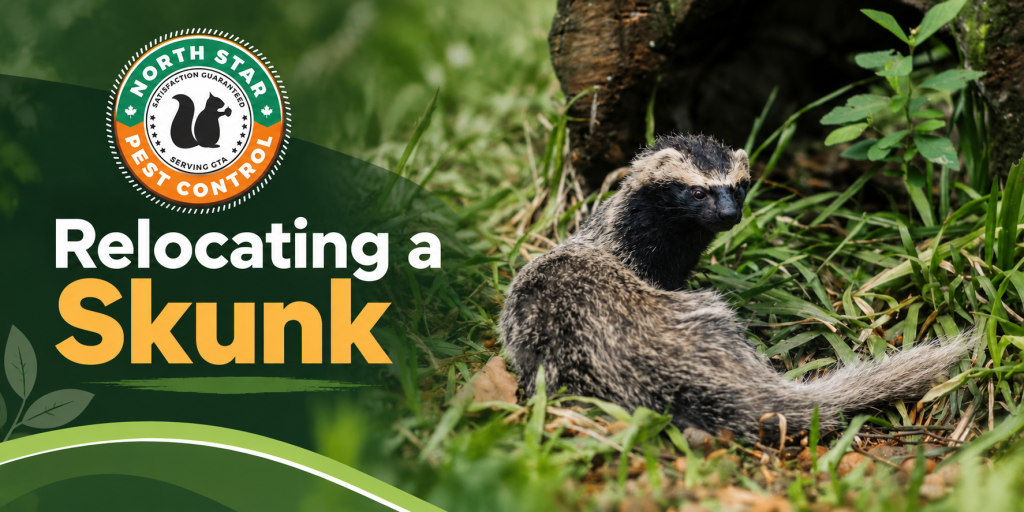
Relocating a skunk may seem like a simple solution when one wanders onto your property, but improper handling can cause stress, injury, or unnecessary risks. Understanding the right approach is essential for both people and wildlife. From choosing unsuitable relocation methods to ignoring local regulations, several common mistakes can make the situation worse. By knowing what to avoid, homeowners can respond responsibly and help ensure the skunk is handled safely.
Immediate Need of Relocating a Skunk
When a skunk is roaming around your house, garage, shed, or garden, do not go near it or trap it on your own. Skunks have the ability to spray when threatened, and they can be spreaders of diseases like rabies. Keep children and pets inside, and provide them with enough space to run around and leave your property.
Eliminate any extra food that is a source of attraction for them. Remove trash, and seal off any cracks or crevices inside the building once the skunk has cleared. If you have to relocate, call a professional trained in wildlife who will be able to handle the animal safely and in accordance with local wildlife regulations. Do not corner, chase, or physically touch a skunk, as this may add stress and increase the chances of getting hurt.
Common Mistakes to Avoid When Relocating a Skunk
Trying to Catch It Yourself
Without equipment and experience, one may get severe injury in an attempt to catch a skunk. Skunks can be defensive when threatened. With the help of professional skunk removal in Vaughan, it is possible to evaluate the situation and implement less dangerous and more humane practices.
It Is Too Early to Block Its Den
Closing up a suspected den with a skunk inside it may trap the creature or leave a mother with her cubs. Make sure that the den is free. The professionals working with wildlife can assist in identifying the right time to use exclusion and when it is safe.
Using Harmful Repellents
Powerful chemicals, smoke, fire, or other dangerous practices may harm skunks and pose unwarranted danger to humans, animals, and other wildlife. Instead, employ humane exclusion methods and adhere to local laws in handling animals on your property.
Poisoning Baby Skunks
A lone skunk can be a member of a family in the neighborhood. Removal of an adult without investigating the presence of young may expose babies to risks. Inspect the area before taking any action so dependent young are not inadvertently parted from their mother.
What to Do If You Find a Skunk on Your Property?
When you encounter a skunk in your yard, remain calm and avoid getting close to it. Take animals and children inside, and do not make the animal jump or jump out, or make a noise or endeavor to drive it away. Provide the skunk with an open path to exit the place by himself. Dispose of garbage, pet food, and other potential sources of food in a secure manner, making your property less appealing.
A skunk that seems ill, hurt, or strangely violent, or that is not able to move normally, should not be approached. Seek the services of an experienced skunk control and removal in Brampton. In case of a bite or scratch of you or a pet, it is important to seek medical or veterinary care immediately and provide the corresponding local authorities with the information about what has happened.
Smart Tips to Follow for Relocating a Skunk
Maintain a Proper Distance
Skunks do not like people and tend to spray when they are threatened. Keep a distance of a few feet and never surround the animal. Maintaining a quiet, calm atmosphere is more likely to make the skunk move away without getting defensive.
Secure Food Sources
Skunks can come to the property due to the easy accessibility of food. Close garbage containers securely, take pet food inside, remove fallen fruit, and take food scraps indoors. By eliminating such attractants, skunks can be deterred.
Always Look for Young
Check for the possibility of babies before you rule out or move a skunk. Small skunks are able to be dependent on the mother. An expert in wildlife could visit the place and assist in avoiding unintentional separation of a mother and her young.
Protect Pets
Keep pets such as dogs and cats indoors or under supervision in case a skunk is around. Pets can run after or even surround the animal, which can raise the possibility of spraying or fighting. In case your pet has come in contact with a skunk, do not touch it directly and consult a veterinarian.
Use Humane Exclusion
After relocating a skunk, you can keep it away by proper exclusion. Find safe access points under decks, sheds, porches, etc. Ensure that no animal is left in before sealing a hole permanently.
Call a Wildlife Professional
When a skunk is trapped, hurt, frequently entering a building, or acting abnormally, professional aid is usually the safest. Local wildlife needs can be identified, humane solutions to the situation recommended and explained by a qualified wildlife specialist.
FAQs: Commonly Asked Questions
- Is it safe to relocate a skunk myself?
DIY relocation can create safety and legal concerns. Maintaining distance and contacting qualified wildlife professionals is generally the safer approach.
- What should I do if a skunk is in my yard?
Keep people and pets away, avoid disturbing it, remove accessible attractants, and contact a professional if assistance is needed.
- Can skunks spray when they feel threatened?
Yes. Skunks may spray when threatened, particularly when approached, cornered, chased, or otherwise unable to escape.
Need Help with a Skunk on Your Property?
Skunks can be difficult to handle safely, especially when they are sheltering near your home or returning repeatedly. Instead of risking a spray or making the problem worse, let a professional assess the situation and recommend an appropriate solution. North Star Pest Control offers dependable guidance, humane wildlife management, and practical prevention strategies designed to help protect your property.