

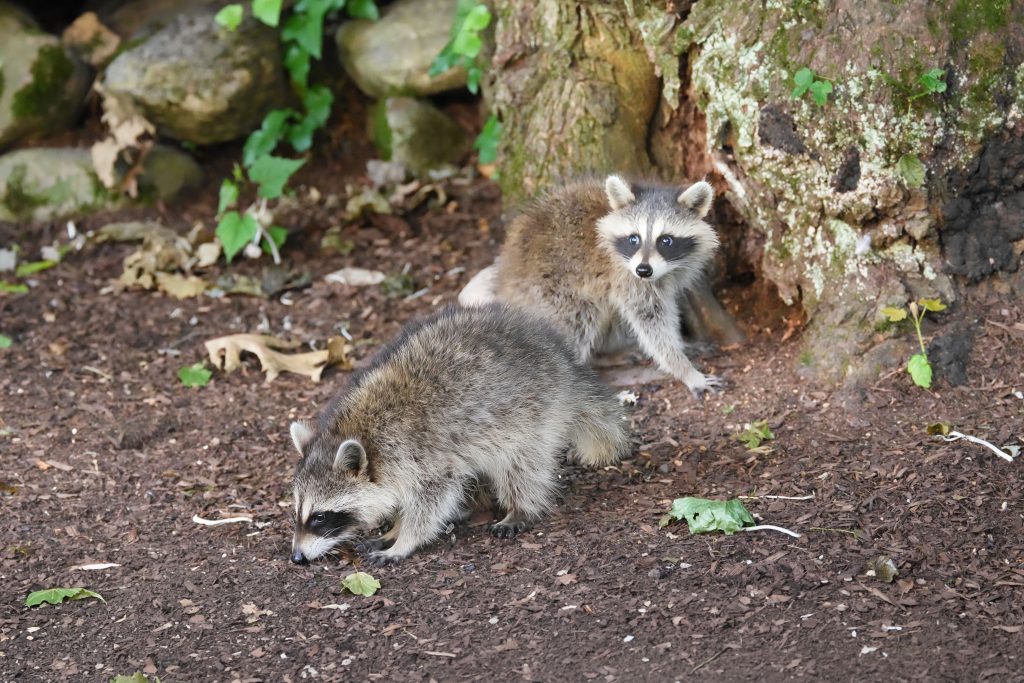
Raccoons are common wildlife visitors in urban and suburban areas. Although they may appear harmless, they can sometimes become aggressive when they feel threatened or cornered. This can create risks for people, pets, and property. Understanding raccoon behavior and taking simple precautions can help reduce unwanted encounters and keep households and animals safe. This guide explains about can raccoons hurt your pet and how to prevent attacks.
Can Raccoons Hurt Your Pet? Reality Explained
Knowing can raccoons hurt your pet is very important to prevent future damages. Yes, raccoons can be of great harm to pets, especially cats as well as dogs. Hence, they are not aggressive and will not engage in conflict unless in self-defense, when defending their babies, or when defending food. A frightened raccoon is dangerous, as they prefer to attack with their sharp claws, powerful jaws, and sharp survival instincts, so it can cause serious injuries.
In addition to physical fights, raccoons transmit some of the most threatening diseases and parasites, such as rabies, distemper, and roundworm. Above all, these diseases can be transmitted easily by these animals to your pet through bites, scratches, and other methods of contact with waste. Unattended pets on the streets at night can lead to more collisions. It important to learn the behavior for an immediate raccoon control and removal and how your pets can be safeguarded in case of a collision with wildlife.
Major Signs of a Raccoon Attack on your Pet
Visible Scratches and Puncture Wounds
While dealing with raccoons, you need to be careful about their sharp claws and teeth. Search around the face of your pet, neck, and shoulders and deep puncture wounds, tearing scratches, and bleeding. Such injuries need prompt medical attention in order to avoid dangerous bacterial infections.
Unusual Sounds and Sudden Distress
Any animal caught in a raccoon fight will usually scream or whimper, growl, as well as hiss. Severe physical trauma and emotional shock are evident after the event, when a person feels intense trembling, hides in the dark corners, or expresses great fear.
Sudden Lame Movement or Limping
Physical fights usually cause pets to have sprains in the joints, broken bones, or deep tearing of muscles. When your pet does not like to place weight on one leg and/or winces when you feel it, then it is possible that internal structural damage happened because of a struggle.
Unexplained Saliva or Torn Fur
Examine the coat of your pet to see whether it has any areas of bare skin or slick, wetted hair (because of raccoon saliva). Exposure to the saliva of other animals is extremely dangerous and can lead to serious infections or the transmission of disease. Hence, all such signs require immediate veterinary attention.
What to Do Immediately After an Attack?
In case a raccoon strikes your pet, do all you can to stay calm and take immediate steps. Separate the animals safely, without endangering yourself, with a hose or loud noises to disperse the wild animal. Shower your pet with a clean towel to secure it and prevent any external bleeding with soft pressure. Keep your pets inside the home once you know when are raccoons most active.
Wounds should not be handled with bare hands, as it can expose you to possible pathogens. Get emergency treatment, including wound treatment, pain relief, and rabies booster, at once with your veterinarian. As soon as a pet shows any signs of sickness, it is essential to seek professional medical care, as it helps avoid life-threatening infections and guarantee a complete recovery.
Smart Prevention Measures to Avoid Raccoon Infestation
Secure Trash Cans with Tight Lids
Raccoons always seek easy sources of food. Use metal or plastic baggage with screw tops or strong bungee cords. Relocating the garbage bins early in the morning to the right place is an excellent way to eliminate a significant attraction to feeding.
Remove Outdoor Pet Food and Water
Do not leave cat or dog food outside at night. The smell of pet food will draw hungry raccoons directly to your yard or back door. Carry away all food items and water bowls before the sun goes down to prevent nocturnal animals from coming at night.
Seal Access Points Around Your Home
Inspect your home to identify openings around crawl spaces, attics, sheds, and decks for smart raccoon removal Bradford. Close any possible points of entry with heavy wire mesh or chimney caps. Sealing these areas does not allow the raccoons to build cozy nesting areas on your premises.
Trim Nearby Overhanging Tree Branches
Hanging tree branches will form natural bridges right over your roof and into attics. Prune back tree limbs at least six feet away from your home to remove easy access climbing paths and to ensure that your raccoons do not access upper levels of the building.
Install Motion-Activated Lights and Sprinklers
Raccoons like to forage in dark and quiet areas. By installing glowing motion-sensitive floodlights or sprinkler devices, animals approaching are scared as they are startled. These random punishments render your yard an unpleasant place, and persuade animals to head elsewhere in a hurry.
FAQs: Common Questions People Often Ask
- Why are raccoons coming into my yard?
Raccoons seek easily available food supplies such as pet bowls, exposed garbage cans, fallen fruits, and bird feeders in your yard.
- Can my dog catch parasites from a raccoon?
Yes. Fleas, ticks, leptospirosis, and perilous raccoon roundworms can be transferred to pets by come in contact with infected feces or soil.
- Will a raccoon attack a large dog?
Generally, raccoons are scared of large dogs, but they will rage and defend themselves or their young ones. This happens when they are in a tight situation, or feel any attack initially.
- How can I prevent raccoons from entering my backyard?
Secure trash cans, clear outdoors food, trim hanging trees, put up outdoor motion lights, and seal off decks or sheds.
Take Back Your Yard: Protect Your Pets Today!
Don’t let bold wildlife put your beloved pets in danger. Raccoons carry severe disease and physical risks, but you don’t have to face them alone. Trust the experts at North Star Pest Control for safe, humane, and permanent removal. Trust our team to perform a smart property inspection!