raccoon control Archives – North Star Pest Control

Welcome To North Star Pest Control

416-540-2694

When Are Raccoons Most Active During the Year?

When Are Raccoons Most Active During the Year?

Raccoons are highly adaptable mammals that thrive in both urban and rural environments, making encounters with homeowners increasingly common. Understanding when raccoons are most active throughout the year can help prevent costly problems such as property damage, attic invasions, and contamination from droppings. Because raccoon behavior changes with the seasons, recognizing these activity patterns is essential for protecting your home, family, and property from unwanted wildlife issues. This guide explains more insights about when are raccoons most active and how to prevent their entry.

Understanding When Are Raccoons Most Active

Knowing when are raccoons most active is very important. They are mostly active at night. Once it gets dark, they venture out of hiding places, looking for food and water. For them, a dark environment is always preferable as they can easily stay out of people’s sight or any other kind of danger.

Raccoons can be spotted during the day, but are most active during the summer when there is ready access to food and when a mother raccoon has young. They may vary in their activity from season to season and day to day, depending on weather conditions. Raccoons will scavenge garbage cans, gardens, and pet food bowls, particularly in urban settings. Homeowners can take steps to keep raccoons away from your home because they are nocturnal.

Learn Raccoon Behavior Throughout the Year

Spring

They are very active in the spring. Female raccoons give birth to the babies and prefer to take care of them in warm, dark locations. Common locations include hollow trees, sheds, or attics. Raccoons are more active during this time of year, looking for food for their expanding families.

Summer

Raccoons will go looking for food and water during the nights of summer. Fruits, insects, and small animals are available as a food source for them during warm weather. Young raccoons are beginning to explore with their mother, as well. Due to warmer temperatures and extended daylight hours, raccoons may be out and about more at night.

Fall

Raccoons find it hard to survive through the winter cold season. It takes more energy to forage for food and to accumulate fat during the winter months. Fruits, crops, and nuts are excellent sources of food for them. Raccoons are also extremely active in this season and can be more likely to venture into residential neighborhoods in search of food. If you notice them in huge population, it is important to plan smart measures of raccoon control in Barrie.

Winter

In winter, raccoons don’t go into a deep sleep. Rather, they rest more in dens during extremely cold weather. On cold days and nights, they will come out of their hiding places to feed. They are less active than during other seasons, but are still active during the winter.

What Time of Day Are Raccoons Most Active?

This wildlife pest is nocturnal in its activity, which makes it most active in the evening, night and early morning. They typically start moving around soon after dark and will keep on looking for food all night. The dark color helps them to stay out of sight of predators and humans.

Raccoons may also look for food at garbage bins, in gardens, and outside feeding areas for pets in an urban and suburban environment. Being nocturnal, if you think you see a raccoon during the day, it’s not necessarily an indication of sickness. Babies seeking food can sometimes be active during the day, and are most active during the night. To eliminate them for good and long-term, hire expert services of raccoon removal in Bradford.

Signs Raccoons May Be Active on Your Property

Knocked-Over Trash Cans

One of the most common signs of raccoon activity is scattered garbage. They can tip over garbage cans when looking for food. Torn garbage bags, food scraps, and litter may be found scattered throughout your yard, particularly after visiting by these animals at night.

Strange Noises at Night

They can make scratching, thumping, and rustling noises when moving around. Raccoons often use the space of attic, roof, walls, or under the deck as a place of shelter or nesting if noises are heard from these areas during the night.

Tracks and Paw Prints

Raccoon tracks are easily identified as they have the shape of a small human handprint. Paw prints can be seen in mud, soil, snow, or near water. These tracks are usually within close proximity to trash cans, gardens, fences, or entranceways around your property.

Garden and Property Damage

Raccoons can dig up lawns, destroy gardens, or feed on the fruits and vegetables. They can also disrupt bird feeding stations and pet food stations. If you have had more than one occasion to discover that plants, soil or outdoor structures have been damaged, it could mean that raccoons are making a habit of visiting your property at night.

FAQs: Common Questions People Often Ask

  1. Which month are raccoons most active?

Raccoons are most active when breeding, rearing young, and finding an abundance of food. This is quite a lot common during the spring and summer months.

  1. Why it is important to keep raccoons out of your yard?

Raccoons don’t hibernate. They may hunker down more during extreme cold, but are active all winter.

  1. Why do raccoons enter attics?

Raccoons will climb into attics for the warmth, safety from predators, and nesting during breeding and winter seasons.

Protect Your Home Before Raccoons Move In!

Raccoons can cause extensive damage to attics, roofs, insulation, and outdoor property if left unchecked. At North Star Pest Control, our experienced wildlife control specialists provide safe, effective, and humane raccoon removal solutions tailored to your property’s needs. Whether you have noticed strange noises in your attic or want to prevent future infestations, we are here to help. Get a quote today for raccoon removal from us!

Is Raccoon Feces Toxic?

Is Raccoon Feces Toxic?

Raccoons are among the most common wildlife species in urban as well as suburban environments. They very commonly are living close to homes, sheds, garages, and commercial buildings. As raccoon populations continue to thrive in residential areas, encounters with their droppings have become increasingly common in attics, crawl spaces, backyards, gardens, and garages. This raises an important question for homeowners and pet owners alike: Is raccoon feces toxic?

Is Raccoon Feces Toxic?

When we ask the question, is raccoon feces toxic, the answer is definitely “YES”. Their droppings contain harmful parasites, bacteria, and disease-causing organisms, which can be a major health hazard for humans and pets. Generally, the diseases take place through the process of cleaning, gardening, mowing the lawn, or even unintentionally by pets and children. Hence, knowing the threats and taking precautionary measures is necessary to remove raccoon poop from your property.

Another major concern is the parasite, popular as raccoon roundworm (Baylisascaris procyonis). It can cause serious disease in animals if the eggs are ingested or inhaled. Raccoon feces can also contain dangerous bacteria and pathogens, which can pollute the soil, water as well as surfaces near them. Protective clothing and equipment, maintaining a distance, effective clean-up, and taking disinfection practices will minimize your risk of infection and keep your family or pets safe.

What Do Raccoon Feces Look Like? (Identification Guide)

The droppings are about 2-3 inches long, and look like a small bowel dropping of a dog. The feces often include seeds, berries, or insects, as well as food remains, at times. Raccoon latrines’ are another unique characteristic that helps to identify their activity and follow trails or locations. This will help to know which areas of the property are under regular attack to build a pile. They are dark brown to black or reddish. Typical sites to notice the trails are attics, wood piles, rooftops or gardens as well as backyards.

Major Health Dangers of Raccoon Feces to Know

Humans gets an exposure to major hazardous health risks from a raccoon’s dried feces if they inhale it. The biggest risk is Baylisascaris procyonis, which may lead to significant neurological problems. Other risks include exposure to Leptospirosis, Salmonella bacteria, Giardia as well as Escherichia coli. People can get gastrointestinal illnesses or fevers from contaminated soil or surfaces. Pets and children are particularly susceptible to the risks. Hiring expert services of raccoon control in Vaughan will help you to prevent all these risks.

To avoid infection and possible complications, adequate protective equipment and clean-up operations should be used over the contaminated surfaces. Hence, vacuum the dry droppings with regular sweeping. A thorough cleanup is necessary to suspend the spores, as they can easily spread into the air in a short time. This may increase the risk of inhalation exposure to humans.

Different Ways to Identify Raccoon Feces at Home

Multiple Feces Piles in One Location

Raccoons leave a number of piles of feces in a small spot (or target area), which they call the “latrine. When raccoons drop something at one location, they will constantly use the spot again to form a buildup. They form a cluster of piles which is known as a latrine site.

Repeated Use of the Same “Bathroom” Spot

Raccoons are habitual animals and will visit the same latrine over and over again. Plumage may be found piled on top of old melts in the same location where it gets congealed. This consistent reuse over time clearly distinguishes a latrine from one-time droppings left by other wildlife or stray animals passing through. You should also prevent raccoons entering attic, as they are fond of hiding in such spots to form a secure pile.

Strong, Foul Odor Buildup Over Time

The smell of a raccoon is quite strong and could be a persistent odor that becomes worse when it is used more often. Smell gets stronger within enclosed areas (e.g., an attic or a deck). As the waste accumulates, it releases a musky thunder-like odor. Hence, this is a major sign of an active raccoon latrine in or around a home.

Safe Cleanup Guidelines to Remove Raccoon Feces

Wear Proper Protective Gear

Always use gloves, a mask (preferably N95), and old clothing or disposable coveralls. Avoid direct skin contact with feces or contaminated surfaces. Protective eyewear is also recommended if there is a risk of dust or particles becoming airborne during cleanup.

Avoid Dry Disturbance

Never sweep or vacuum faecal matter as it can blow up the air and spread infectious particles. Instead, lightly wet with a disinfectant or soapy water. Simply proceed with the process of removing, as there is a danger of spreading dust particles and dust contamination.

Use Safe Removal Methods

Carefully cover or use disposable instruments to handle feces, and place feces in a tightly closed plastic bag. Double-bagging is recommended. Be aware of where you place waste. Ensure waste disposal is done out of the way of animals and children in an outdoor garbage receptacle.

Disinfect the Area Thoroughly

After removal, clean the entire area with a good strength disinfectant solution or a bleach solution (use of approximately 1 parts bleach to 9 parts water). Incubate for at least 10 minutes and then wipe. This will eliminate any possible bacteria or parasite eggs that may be left behind.

Wash Hands and Decontaminate Items

When removing gloves, wash hands when removing gloves with soap and warm water, and then carefully remove gloves. All equipment and garments, which you are using more than once requires washing in hot water separately from the washing machines.

Consider Professional Help for Heavy Contamination

It is advisable to hire professionals of raccoon removal in Brampton for large-size, attic, or heavily contaminated latrines. They remove debris and pick up the area safely (not causing threat to health).

Protect Your Home from Hidden Biohazards Today

Raccoon feces are more than just an unpleasant mess, it can expose your family and pets to serious health risks if not handled correctly. Don’t take chances with DIY cleanup or unknown contamination in your attic, yard, or crawl spaces. Trust the professionals at North Star Pest Control for safe, effective, and thorough raccoon waste removal. Our trained experts use advanced protective methods and proven sanitation techniques to restore your home’s safety and peace of mind quickly and reliably.

Prevent Raccoons Entering Attic for Long-Term Wildlife Control

Prevent Raccoons Entering Attic for Long-Term Wildlife Control

Raccoons commonly enter attics because urban expansion has reduced their natural habitats while increasing access to human food sources. They are attracted to warmth, shelter, and easily accessible garbage or pet food in residential areas. This leads to property damage, insulation destruction, contamination, and noisy nighttime disturbances. Effective wildlife control requires long-term solutions to prevent raccoons entering attic and avoid repeated infestations or ongoing damage overall.

Key Reasons to Prevent Raccoons Entering Attic

Structural Damage Risk

Raccoons can be very destructive when they start nesting in an attic area. As they move around, they rip through insulation, scratch at wooden beams, and tear up roofing materials. All that clawing and gnawing, over time, gradually erodes the integrity of the structure. And before you know it, you will find yourself facing expensive repairs.

Concerns for Health and Disease

This wildlife is not just causing damage to the property, but can also be a great nuisance for your health. They often spread rabies, and their fur usually carries fleas as well as roundworms. They leave behind a very bad aroma through their droppings, which is very unpleasant. Their droppings is also responsible for damaging the insulation and disrupting indoor air quality.

Fire and Safety Hazards

Raccoons cause a massive damage to the electrical wiring, which many of us ignore. They chew through wires, which results in fire hazards. This is one of those subtle issues that can escalate from a minor to a major issue in a matter of moments.

Costly Long-Term Repairs

The more raccoons are present, the more problems occur. The smell becomes an issue, and now you have to deal with contaminated insulation, damaged materials as well as several access points to seal. If the problem gets stressful and is not easy to handle, it is best to hire the expert services of racoon control in Mississauga.

How do Raccoons Enter in an Attic Space?

The raccoons are smart and persistent, and they are pretty good at sneaking in. They will climb trees, walk through the gutters or walls to get onto your roof. And once they are on the roof, they will look for ways to get access to the loose shingles, cracked vents, and uncapped chimneys. Even if the hole or crack is small, they use their sharp teeth and paws to enlarge it for easily passing it through.

Hence, they typically draw into a property in the smell of food, warmth, or the attraction of a secluded nest site. For them, some of the most common entry points are damaged soffits and fascia boards. They gain access to your attic very easily and quickly, making your home perfect for nesting and raising their young. To keep raccoons away from your home it is important to conduct regular inspections on a quarterly basis.

Common Signs of Raccoon Infestation in an Attic

Loud Noises at Night

The first thing you’ll notice is thumping, scratching, or even something walking around up in the attic after dark. Raccoons are nocturnal, so the sounds will be louder after dark. Noises would be either raccoons fighting or their movement of roaming around.

Strong Unpleasant Odors

Once these pests draw in, they bring an unpleasant smell with them, which is unforgettable. It begins in the attic but may slowly invade the home. This smell is typically from droppings, urine, and nest materials. The longer they remain, the worse it is!

Droppings and Waste Material

Raccoon droppings are commonly found in corners or near the insulation. This is not only a mess but also a health risk because raccoons spread parasites as well as bacteria through their droppings. Noticing this sign very often shows their presence nearby.

Smart Ways to Prevent Raccoons Entering Attic

Below, we have shared a few smart measures to help you prevent raccoons entering attic space of your home:

Seal All Roof Entry Points

Go over your roof carefully and look for any holes, cracks, or shingles that have come loose. Seal everything in using tough, like metal mesh or solid wood. Raccoons can squeeze through surprisingly small gaps, so even the little ones need attention.

Install Chimney and Vent Covers

Chimneys and vents are practically an open invitation for raccoons. Putting proper metal covers or screens over them keeps animals from climbing in. Just make sure whatever you use is sturdy enough that a powerful raccoon can’t bend or pry it off.

Trim Nearby Tree Branches

If you have trees growing close to your house, their branches can work like a ladder for raccoons trying to reach your roof. Cut back any branches that hang near or touch the roofline. This will take away one of their easiest access routes from these pests.

Use Strong Outdoor Lighting

Raccoons prefer to build nests in warm and dark places. Motion-activated lights around the house outdoors make the roof and attic area feel a lot less welcoming. Hence, a sudden burst of bright light is enough to make them think twice before getting too close.

Secure Garbage and Food Sources

Raccoons are opportunists, and if there’s food nearby, they will hang around. Above all, keep your trash cans properly sealed and don’t leave pet food sitting outside overnight. Once you remove the food supply, there are fewer chances for them to be lurking near your home in the first place.

Regular Roof and Attic Inspections

It is important to conduct a property inspection of your home at least once or twice a year. Monitoring plays a fundamental role in raccoon removal Richmond Hill. Small damage or tiny openings are easy to miss until they become a much bigger problem. Detecting things early is always easier than dealing with a full-blown infestation later.

Protect Your Home Today with Expert Raccoon Control Solutions

Don’t let raccoons turn your attic into their permanent shelter. At North Star Pest Control, we specialize in safe, humane, and long-term wildlife removal solutions tailored to protect your home from future infestations. Our experts identify entry points, remove raccoons, and secure your property against re-entry. Restore peace, safety, and cleanliness to your home with trusted professionals who understand local wildlife behavior.

Humanely Remove Wildlife Babies

Humanely Remove Wildlife Babies

Wildlife intrusions in homes are increasingly common, with animals such as squirrels, raccoons, bats, birds, and rodents often entering attics, walls, and basements. Their young are frequently found indoors due to seasonal nesting, weather shifts, and the search for warmth and safety. Humane removal is essential to protect both people and animals, as improper handling can cause stress, legal issues, or worsen infestations while also disrupting local ecosystems. This guide explains the major do’s and don’ts for humanely remove wildlife babies from yards, garages, or attic areas.

Need to Humanely Remove Wildlife Babies from Home

A lot of care is needed when it comes to humanely remove wildlife babies from your home. You definitely don’t aim to hurt or kill them, but at the same time, making them transport to a safe location is equally important. There have been a number of young animals who get separated from their parent animal and are drawn into a property in search of food and shelter. For example, if you look around, you will find massive signs of raccoon nesting in attic.

In the process of removal, the objective is to ensure the safety of humans and animals without any harm. Above all, keep in mind that baby wildlife is fragile and should be handled only by professionals. Do not panic; take slow steps towards them. If possible, contact trained wildlife rescue experts. Try to understand the species before acting. Humane removal involves the safe return of animals to their habitat. This way, animals will always be able to pursue their natural life’s journey while preserving the ecosystems.

Major Do’s to Humanely Remove Wildlife Babies

Stay Calm and Observe

Keep a cool head around wildlife babies in the house. Watch them from a distance and learn about their movement and behavior. Above all, make sure the mother is not close by. Avoid sudden movements. By observing carefully, you will be able to determine the safest and most humane method you can do for the prevention.

Keep a Distance from Wildlife Babies

Do not approach wildlife babies as this can cause stress and/or injury. They may be afraid of humans, which can also lead them to attack you in return. In addition, don’t touch or move them furiously. Give them proper space to allow them to stay calm until they are safely back with their mother or until help arrives.

Contact Wildlife Professionals

It definitely gets hard for a homeowner to handle the wildlife in such a huge population. If using DIY methods, the best approach is to hire the expert services of wildlife removal company. Above all, they start the removal process by inspecting the property to understand the entry points of these animals, which is helpful in planning smart measures.

Provide Safe Temporary Space

Don’t forget to provide the animals with a safe temporary place according to their comfort level. You can use a box that has ventilation and is filled with soft material. Keep warm, quiet, and in the dark. Do not feed or water unless authorized to do so by experts to avoid accidental harm or stress.

Avoid Direct Handling

Do not handle wildlife infants directly as it can lead to injury, stress as well as transmission of diseases. Gloves should only be used when required, and the least possible contact is best. Furthermore, always recommended to leave it to the professionals to remove it, to ensure safety for everyone in the situation, including humans and animals.

Significant Don’ts to Humanely Remove Wildlife Babies

Avoid Getting into Physical Contact

Try to avoid handling wildlife babies, as a minor physical touch may stress or lead to abandonment of the animal. There are species that need little interaction with humans for survival. Keep yourself at a distance from them until professional help arrives.

Do Not Use Harmful Chemicals

Avoid using poisons or harmful chemicals to get rid of wildlife babies. Such solutions have the potential to harm or kill animals and pollute the environment. Chemical use is also unhealthy for humans and pets. Relocation should be done with humane and professional methods only under the supervision of trained experts.

Do Not Separate from Mother

Avoid unnecessary separation of wildlife babies from their mother. Separation can decrease the chances of survival. Be patient and take time to observe before taking any action. Professional guidance helps ensure correct and humane decisions for the best possible survival outcomes.

Do Not Make Loud Noises

Keep noise away from wildlife babies, as this will frighten and disturb the animal’s natural behavior. Maintain silence and immobility to increase chance of safe return and survival of animals to their mothers.

Avoid Attempting Self-Evacuation!

Never try to relocate wildlife babies on your own, as it could injure or kill them. Professional wildlife rescuers know and have the tools to relocate wildlife safely. For safety reasons, don’t attempt to move animals at home without assistance from experts.

Common Risks of Improper Wildlife Baby Removal

The inappropriate removal of wildlife babies can orphan them or cause an undue loss of life if parents are separated. Animals become trapped in walls or attics, leading to structural problem and bad odors. Disruption of nests may cause parents to move closer to the site, which can result in re-infestation or increased nesting.

Some mammals carry rabies, flea & mites, and rodents carry hantavirus, which can turn into a significant health hazard. Also, wrongful handling could lead to legal consequences and fines. In general, untrained removal causes greater danger for the animals and people and can exacerbate the initial wildlife issue unless it is done properly.

Protect Your Home with Safe Wildlife Removal Today!

Don’t risk your safety or the lives of innocent wildlife babies by attempting DIY removal. Trust the experts at North Star Pest Control for safe, humane, and professional wildlife baby removal solutions. Our trained specialists ensure ethical handling, complete nest removal, and long-term prevention to keep your home secure. Call North Star Pest Control now and give your home the ultimate protection it deserves.

Signs of Raccoon Nesting in Attic

Signs of Raccoon Nesting in Attic

When homeowners start hearing unusual noises or seeing damage inside their homes, one of the most ignored reasons is wildlife invasions. Among these, signs of raccoon nesting in attic spaces are getting very common, especially during this time of the year. Therefore, at North Star Pest Control, we know how stressful and disturbing this situation can be. Moreover, raccoons are not just temporary visitors, they usually turn your attic into a safe nesting ground. This is particularly true during breeding season when they are actively looking for warm, safe places to give birth. Homeowners commonly wake up to find tiny raccoon babies in their attic if they have long overlooked the signs of activity.

Signs of raccoon nesting in attic you should never ignore

If you feel like something is wrong in your attic, it is important to pick the early warning signs before the problem increases. The signs of raccoon nesting in attic areas are usually very noticeable once you know what to look for. Moreover, these animals are larger than most pests, which means they bring along clear signs of their presence.

One of the most common signs is loud noises, especially during night. You will hear heavy jumping, scratching, or even movement that sounds too big for a rodent. Furthermore, this is because raccoons are active at night and usually move around too much while making nests or caring for their young.

Additionally, another strong warning is damage to your roof or vents. This is because raccoons are strong animals that can tear vents and wires to get entry into your attic. Once inside, they make nesting areas using insulation and other materials, causing more damage.

Alternatively, a bad smell can develop over time. Raccoons leave behind urine and feces, which not only smell bad but can also bring along serious health risks. Therefore, if the infestation grows, these smells can spread throughout your property.

Why raccoons choose your attic during breeding season

Raccoons are very smart and adaptable animals. They do not enter homes randomly. However, they actively look for safe, warm, and quiet places especially during breeding season. Moreover, this is the time of year when female raccoons are looking for the perfect place to give birth, and your attic offers what they need. It gives warmth, safety from bad weather, and a hidden space where they can raise their babies without disturbance. Therefore, this is why signs of raccoon nesting in attic spaces become much more common during this period.

Additionally, another important reason raccoons choose attics is the easy availability of food from nearby. Open garbage cans, pet food, and bird feeders can quickly bring them to your property. Once they find a trusted food source and a safe nesting area, they are likely to stay and give babies. Homeowners looking for a reliable raccoon removal company in Woodbridge should work fast. This is because delaying action during breeding season can cause a large scale infestation with a mother and her babies inside your attic.

Breeding season makes raccoon infestations noisy and dangerous

During breeding season, raccoon activity increases greatly. Moreover, this is when the problem becomes bad for homeowners. Female raccoons enter attics specifically to give birth. Therefore, once the babies arrive, the space becomes very noisy. You may hear high pitched crying, chirping, and constant moving sounds, especially at night. These are clear signs of raccoon nesting in attic areas, and they should never be ignored.

Additionally, the mother raccoon becomes very protective. Also, she may act aggressively if she feels her babies are in danger. This increases the chances of dangerous raccoon attacks if you try to deal with the situation on your own. Moreover, as the babies grow, the infestation increases, leading to more damage, stronger smells, and greater health risks. This is why homeowners should get expert raccoon removal in Brampton to ensure safe and effective relocation of both the mother and her young.

Conclusion: Damage, health risks, and why expert help Is important

Once raccoons start living in your attic during breeding season, they can cause great damage and unsafe living conditions. Moreover, they tear insulation to make nests for their babies, chew on wires, and damage roofs. Along with structural damage, their droppings and urine cause bad smell and health risks due to bacteria.

This is true that because of the presence of baby raccoons, removal becomes difficult and should always be done by experts. Therefore, at North Star Pest Control, we use humane ways to safely remove both the mother and her babies while making sure no animals are left behind. Additionally, we also close entry points and clean the affected areas to stop future infestations.

Keep Raccoons Away from Your Home Without Harming Them

Keep Raccoons Away from Your Home Without Harming Them

Raccoons are becoming an increasingly common sight in urban and suburban neighborhoods, often rummaging through trash, damaging gardens, and nesting in attics. While their intelligence and adaptability make them fascinating, they can also cause costly property issues. Instead of resorting to harmful measures, homeowners can use humane and effective strategies to deter raccoons. This guide explores safe, ethical ways to keep raccoons away from your home while coexisting peacefully with wildlife.

Importance to Keep Raccoons Away from Your Home

Raccoons are one of those unwanted visitors in your house which requires an immediate action of elimination. It is important to keep raccoons away from your home to avoid severe damage in the future. They are one such clever wildlife animal that draws into your property without any alarm. They damage insulation, roofs and wiring to build shelters. Meanwhile, they also spread dangerous diseases that are transmissible to both pets and humans.

Their prevention will save you on expensive repairs and safeguard your living space. Preventive measures not only maintain the integrity of your house, but it also brings about peace. Hence, it lets you and your family enjoy a normal life without being surprised by any sudden inconveniences or illnesses.

Common Signs to Identify Raccoons in Your Home

Unusual Noises at Night

Raccoons are night creatures, making them extremely active during the night hours. You will listen to shuffling, thumping or scratching sounds in ceilings, attics or wall areas. These sounds are often regular and more massive compared to the sounds of smaller pests. This sign indicate the major need to keep raccoons away from your home.

Disturbed Garbage and Outdoor Mess

Another obvious sign is turned upside-down rubbish cans or littering. Raccoon is a determined forager that will go through garbage to find food. When you see that your yard is regularly messed up, even with secure bins, then it is an alarming sign that you are having a raccoon around.

Visible Entry Points or Damage

Raccoons can shred holes in roofs, vents, or siding to enter. Check the shingles on the roof, their folds, or the expansion of openings. These animals are powerful, and such damage usually implies that they have already penetrated your home.

Droppings and Strong Odors

Pieces of droppings are commonly visible in dark as well as attic corners of the home, which highlights their presence. They are bigger in size and have an unpleasant, strong smell. With time, the smell becomes more pronounced, particularly in crowded or stuffy places.

Tracks and Grease Marks

Raccoons leave behind them peculiar footprints that look like small human hands. You can locate these in entry points, walls or dusty spots. Another sign of their presence is grease deposits left behind by their fur in areas that are frequently used.

At What Time of Day Are They Most Active?

Raccoons are primarily nocturnal animals, making them mainly active at night. Their movements generally start around the Time of sunset and go on until the early morning. This kind of behavior assists them in evading the interaction of humans as they seek food and shelter. They are quite active during the day in the areas where food sources are easily accessible.

Their activity at night involves foraging, exploring and nesting, which can be easily detected in silent hours. Knowing their active periods enables homeowners to be more alert to any suspicious activity and act on time for long-term raccoon removal Brampton.

Smart Measures to Keep Raccoons Away from Your Home

Safe Sources of Trash and Food

Make sure that garbage bins are well covered with tight lids and kept in safe locations. Do not leave pet food outside at night because this is a way to attract raccoons. This would deter returning since easy access to food cannot be easy.

Entry all Possible Sealing Points

Check your house frequently to see whether there are gaps, cracks, or unsound structures. Fix broken vents, roofing and siding. Sealing possible points of entry will ensure that the raccoons have no access to it, and your property will be less attractive as a nesting place.

Install Lighting Motion-Activated

Raccoons like dark and quiet places. Motions in your yard can be disrupted by installing motion-activated lights to startle them. This easy intimidation causes them to find other places that are less comfortable to stay than your property.

Keep the Environment Clean

Maintain your yard without fallen fruits, open compost, or trash that may give shelter or food. Cut short any tree branches that are near your roof. A properly maintained area eliminates concealed areas and makes it difficult for raccoons to settle in.

Protective Barriers and Covers

Install chimney caps, vent covers and heavy fencing where needed. They are barriers that do not allow the entry of raccoons into common access points. Investing in long-life materials would guarantee protection in the long term and reduce instances of recurrent intrusion.

Get Professional Assistance

When raccoons have already received an invitation into your house, it is sometimes best to call a professional like North Star Pest Control. Contact us today to eliminate them in a humane way and find flaws in your house. The early treatment will avoid the damage and keep your house safe and sound.

FAQs: Common Questions People Often Ask

  1. What is the most hated thing about raccoons?

Raccoons do not prefer strong smells such as ammonia, vinegar, garlic, and commercial repellent odors. This irritates their sensitive noses, making them avoid lingering around houses.

  1. Will the raccoons come back once they have been taken out?

Yes, raccoons can come back when food resources or entry points are open. Hence, after the prevention, it is vital to seal the gaps.

  1. Do raccoons destroy roofs and attics?

Raccoons are also able to rip shingles, vents and insulation to form nests. This leads to structural damage and possible entry points to your home in the long run.

Protect Your Home from Raccoons with North Star Pest Control

Don’t let raccoons damage your property or threaten your family’s safety. At North Star Pest Control, we provide humane, effective raccoon deterrent services tailored to your home. Our experts use eco-friendly solutions, secure entry points, and monitor wildlife activity to keep raccoons away safely. Protect your garden, attic, and pets today with our safest, most reliable raccoon prevention methods available.

Signs of Mice Infestation: Droppings, Noises, and Other Clues

Signs of Mice Infestation: Droppings, Noises, and Other Clues

Spotting a mouse infestation early is essential for protecting both property and health. Mice are quick breeders, and when signs go unnoticed, a small problem can grow into a costly issue. Their constant gnawing can damage wires, furniture, and stored goods, while droppings and nesting materials often create hygiene concerns. Beyond property damage, mice carry bacteria that may pose health risks to families and employees. By recognizing the warning signs of mice infestation, homeowners and businesses can prevent bigger problems before they spread.

Why You Should Never Ignore Signs of Mice Infestation?

These are some of the red flags that should not be ignored when a mouse infestation starts to grow in your property. They can lead to bigger problems than you think. Mice multiply rapidly, and therefore, a minor issue can result in an infestation in a small time. Their gnawing may damage wires, insulation and furniture, so a costly clean-up and even a fire.

In addition, their droppings, urine and nesting materials contaminate food and surfaces and put families and employees at risk of harmful bacteria and allergens. These health threats can affect children, pets and those people with a weaker immune system.

Quick responses to strange sounds, droppings or chewed materials will prevent severe damage and protect the interests of all occupants. When the infestation is severe, always hire the professional services of mouse removal in Brampton.

Common Signs of Mice Infestation to Notice

1. Droppings around Food or Storage Areas

Small, dark droppings near cupboards, pantries, or storage areas often signal mice activity. These droppings can either be fresh or dry, and this indicates that mice are in motion. Soon, detection prevents further infestation.

2. Unusual Scratching or Scurrying Noises

Whenever you hear scratching or scurrying or any light running sounds inside walls, ceiling and under floors, it is usually a sign of mice as they scurry around at night. Such sounds are a sign of nesting in the area, and it is significant to inspect and act fast.

3. Gnaw Marks on Wires and Furniture

Mice just gnash to ensure that their teeth do not grow too long. Scratches on wires, furniture and cardboard are evident indicators of movement. This may result in expensive damage or even fire hazards, and urgent attention is required.

4. Strong, Musty, or Ammonia-Like Smell

The smell of mouse urine and nesting places often lingers with an odour of ammonia or mustiness. This smell becomes most noticeable in the secure areas such as cupboards, lofts or basements. When unaddressed, it may render the living space unpleasant and unhealthy.

5. Shredded Paper or Fabric Nesting Materials

Mice nest with shredded paper, cloth or insulation. Discovering heaps of such materials in corners, drawers, or behind the appliances is a specific pointer. Early detection of such nests will enable you to disturb their nesting and hiding areas.

6. Grease Marks or Tracks Along Walls

Mice tend to use the same routes and create dark, greasy smears or tracks on the walls and baseboards. The oils of their fur cause these marks. Observation of such tracks assists in determining the direction that mice are taking and nesting within houses.

What Other Secondary Signs Can Also Appear?

Not all signs of mice infestation can be easily noticed, and some of them may be easily ignored in daily life. Mice can easily be seen as gnawing holes into food wrappers. Hence, they make holes in the foundations, garages, or sheds if they plan to build nest in the outdoors.

Another effect you may observe is the rise in insects; food contamination draws insects such as flies and cockroaches. These are minor indicators, which must not be overlooked. It is better to take some action when you see them. Preventing them will reduce the threat to health and the expensive destruction of property in the long term.

Preventing a Full-Blown Infestation: How to Control

After knowing the common signs of mice infestation, let’s highlight a few major measures to take for a quick rodent control in Vaughan:

1. Seal Entry Points before Rodents Enter

Rodents access the inside of the home using the tiniest cracks or holes. Inspect walls, doors, windows, and vents carefully. Rodents are prevented before they can enter your house by sealing these access points with steel wool or caulk.

2. Keep Food Storage Safe and Tidy

Food that is left out or inadequately stored attracts rodents. Store grains, snacks and pet food in airtight containers. Wipe kitchen surfaces, mop floors, and dispose of waste bags to eliminate temptations that may attract the unwanted guests.

3. Maintain Clean Surroundings Regularly

Rats and mice find a home and nesting areas in the cluttered areas. Having your storage spaces tidy will decrease places of hiding. Vacuuming, wiping, and cluttering are easy actions that can be performed regularly to ensure rodents do not settle in. An environment that is clean and fresh is not naturally attractive.

4. Manage Waste and Outdoor Areas Well

Uncovered trash or compost is a fast attraction for rodents. Place them in closed containers and make sure that these containers are emptied frequently. Prune bushes, keep your lawn trim and do not leave heaps of wood or debris on the outside since they are ideal rodent shelters.

5. Schedule Professional Pest Inspections Early

Rodent signs are not always obvious. Professional inspection helps in identifying risks at an early stage and in stopping infestation before it becomes widespread. Experts use safe procedures and customized remedies, which will hence guarantee your home or business is rodent-free with long-term coverage.

Don’t Let Mice Take Over Your Home: Call North Star Pest Control Today!

Do you feel uncomfortable with strange sounds, droppings or gnawed marks? Don’t leave a little issue to grow into a big infestation. At North Star Pest Control, we do the removal of rodents in a fast, efficient, and safe way that leaves you with a clean and healthy home. Our professional team finds concealed nests, closes entry points, and guarantees protection in the long term. Call North Star Pest Control today and have us protect your home against unwanted intruders- before the mice multiply!

Health Concerns Due to Raccoon Infestations in Urban Homes

Health Concerns Due to Raccoon Infestations in Urban Homes

Raccoon infestations are becoming a common problem in many cities. These clever animals have learned to survive and thrive in urban areas. Warm attics, open garbage bins, and quiet spaces around homes are perfect spots for them to settle. While they may look harmless, there are some significant health concerns due to raccoon you should not be ignoring. They carry diseases, damage property, and pose a risk to your family’s health. With their growing presence in neighbourhoods, it’s more important than ever to act fast. They may look cute, but raccoons can bring serious health threats to your doorstep. Protect your home before these unwanted guests move in.

Major Health Concerns Due to Raccoon Infestations

Infestations are more than just a nuisance; there have been major health concerns due to raccoon. A worrying thing is the presence of Roundworm (Baylisascaris procyonis) in their feces. Contact with surfaces that are contaminated can expose humans to severe nerve and brain damage. Diseases spread through urine are another major risk. It can badly harm your kidneys and liver if it meets water or moisture. Most of the time, rabies in raccoons is hard to notice. Still, if an infection occurs, a small bite or scratch of rabies can become very serious.

Meanwhile, their feces often carry Salmonella and E. coli, which can taint both food and surfaces, causing stomach problems. In addition, raccoons bring in pests such as fleas, ticks and mites, which may wander into your home and spread Lyme disease or cause allergies. If you think raccoons are nearby, having a professional raccoon control Mississauga is the best way to protect your family.

Signs You May Have a Raccoon Infestation

Although they are good at hiding, they always make sure their presence is prominent. Scratching and thumping heard in the walls or the attic at night may be a raccoon trying to find an ideal nesting spot. Strong signs can be overturned bins and messy waste outside.

You will also notice the presence of droppings inside the attic or in spots around your house, which can alarm you about their entry areas. Observing paw marks or lines from claws along roofs, vents, or other open parts is another significant sign. When you observe any of these things, contact an expert on raccoon removal in Bradford early to prevent any big trouble from taking place.

Identifying Common Nesting Places Around Your Home

These are clever animals, and they seek for quiet, warm places to build their nests. Common nesting locations include sheds, crawl spaces, chimneys and attics. Meanwhile, they also enter through open chimneys, loose vents and broken roof tiles. Porches and garages with clutter also attract the raccoons for safe shelter.

In some cases, they may even dig under decks or burrow near foundations. These hidden areas give them a safe place to sleep during the day and raise their young. If you notice signs of nesting, it’s best to contact a wildlife removal service to protect your home and family.

Smart Solutions to Follow to Prevent Future Infestations

To stop any further major health concerns due to raccoon, it is essential to take smart measures for a future prevention. Let’s highlight a few tips below:

1. Seal Entry Points Around the House

Open vents, broken chimneys and gaps in roofs allow raccoons access. To prevent this, check your house for any openings or missing shingles. Seal any cracks with either metal mesh or caulk, as both are strong options. It stops raccoons from being able to enter your attic or crawlspace.

2. Secure Your Garbage Properly

Having garbage attracts raccoons to your property more than anything. Bins should have a tight closure. Keep your garbage cans inside your garage or a locked space. When you aren’t using bins, attach tight bungee cords to make sure the lids stay shut.

3. Remove Food and Water Sources

No pet food, seed for birds or dropped fruit should be left outside your yard. These animals will come back again if food is easy for them. Dispose of food scraps after pets eat, and place your bird feeders so that food does not fall out. Always place the food bowls indoors at night.

4. Trim Trees and Shrubs Near Rooflines

Raccoons often climb trees to access your roof. Trim branches back at least six feet from your roof. Cut tall shrubs and remove ivy or vines that allow climbing. This makes it harder for raccoons to reach your home and find shelter inside.

5. Install Motion-Activated Lights or Sprinklers

Raccoons prefer to roam in dark, quiet spaces. Motion-sensor lights or sprinklers can startle them away. Install these devices near garbage areas, attics, and sheds. They are easy to use and help discourage raccoons from returning to your property repeatedly.

FAQs: Common Questions People Often Ask

  1. Can they spread diseases to pets and children?

Yes, there have been some major health concerns due to raccoon. They spread dangerous bacteria and parasites like fleas and roundworms to kids and pets through contaminated areas.

  1. How do I know if there is a raccoon infestation?

You will notice the signs of wandering during the day, unusual aggression, foaming at the mouth and disorientation. Avoid direct contact and call professional help.

  1. Are their droppings dangerous?

Of course! Their feces are included with harmful roundworms that can infect kids, pets and humans at a severe level.

  1. What should I do if I see a raccoon in my attic?

Avoid direct contact. Close off the area and immediately call a licensed wildlife control service like North Star Pest Control.

Kick Raccoons Out: Hire us for Safe and Smartest Solutions

Ignoring the raccoon infestation is not just risky for the structural property but also causes massive damage to the health. At North Star Pest Control, we deliver efficient solutions for quick raccoon removal under humane methods with long-term prevention. Our experienced team ensures your family stays safe from dangerous parasites and diseases. Call us today for a same-day inspection and get back your home peace from unwanted invaders.

Dangers of DIY Raccoon Removal: Health Risks You Should Know

Dangers of DIY Raccoon Removal: Health Risks You Should Know

Raccoons may look cute and harmless, but they can be of great threat for the home structure and health. Imagine if you spot a raccoon in your garage and you plan to remove it alone. That’s a completely wrong decision. Removing this wildlife alone can never be successful until you don’t have right tools access and removal knowledge. Without proper gear or knowledge, these wildlife creatures becomes aggressive, causing injury and property damage. Sadly, this situation is more common than you think. Many people don’t realize the dangers of DIY raccoon removal. From bites and scratches to dangerous diseases, the risks are real. This guide aims to educate homeowners on the hidden dangers and why it’s best to leave removal to trained professionals.

Understanding Common Dangers of DIY Raccoon Removal

Understanding the common dangers of DIY raccoon removal is very important to plan the right approach for their elimination. These are wild animals that can show great aggression when threatened or feel disturbed in their nesting spots. Using an ordinary trap and scaring them off can eliminate them, but that is entirely wrong. With a lack of tools, knowledge, and training, they can feel threatened, which can make them scratch or bite you instantly. Even a minor bite or scratch can spread dangerous allergic reactions and diseases. These wildlife creatures can also cause massive damage to the structural property, where they can chew insulation and wiring systems.

Major Health Risks Associated with Raccoon Removal

When we talk about the dangers of DIY raccoon removal, it brings the results of significant health hazards which you need to be aware of. A few common health problems can be:

Rabies Transmission

Rabies is also spread by these creatures which can be fatal to humans. A human receives it by a bite or contact with their saliva. Symptoms may include a high temperature, being anxious all the time and random muscle spasms. Hence, untreated rabies can lead to death. Using protective equipment helps avoid this problem when you deal with them.

Leptospirosis

Their urine brings the problem of leptospirosis, which can pollute soil, water, or various areas of your home. People can get this virus through skin cuts or by having contact with their eyes or mouth. Someone with viral meningitis might feel a headache, sore muscles or may vomit. Untreated severe disease can result in kidney or liver damage.

Parasites and Fleas

They also spread the health hazards of fleas, ticks and mites. They may get into your home and lead to skin irritation and allergy problems. There is also a chance that some wildlife also faces the infection of Lyme disease or tapeworms. Raccoons within your home can increase the danger of becoming infested and developing health-related problems.

Histoplasmosis

Histoplasma capsulatum fungus is in droppings. Spores may be set free into the air when there is a disturbance and can then be inhaled. Because tiny airways get infected, this disease can turn serious for small children, the elderly and those who have weak immunity. Symptoms at first look like flu, but they can get worse if left untreated.

Why DIY Methods Often Fail?

Because people do not have the proper knowledge or equipment, DIY raccoon control Newmarket rarely succeeds. Most home traps don’t have the power needed to handle this wildlife. You won’t be able to catch them with traps if you don’t have the proper knowledge of their usage and placement. Not sealing the entry points fully will help these wildlife creatures return to the property with more power.

We all have been aware of the emerging dangers of DIY raccoon removal. DIY projects don’t always include cleaning up everything entirely. There are a lot more other preventive measures which you need to keep in mind. Finding nesting materials or droppings at different spots will give you a sign that there is a powerful infestation nearby. Due to a lack of knowledge, hiring professional services is the best solution.

Benefits of Professional Raccoon Removal Services

You get more successful and safer results when you hire a professional company of raccoon control and removal in Woodbridge. Professionals have both the necessary equipment and training to remove them securely and without hurting anyone. They have knowledge about the laws and prefer to trap and relocate wildlife humanely. When these wildlife creatures are removed, they also clean and sanitize the area to control any bacteria or parasites. Many people skip this step during do-it-yourself work, yet it’s essential for a home’s well-being.

Professionals also search the property with significant signs of vents being broken or wires chewed. These signs show that wildlife has been frequently exhibited. Most importantly, they close all openings, so these wildlife creatures have fewer chances to return. Pest control companies also use special doors or tools to completely block pests from getting inside your home.

FAQs: Common Questions People Often Ask

  1. Can this wildlife spread rabies through bite or scratch?

Yes, they can spread dangerous rabies through scratches or bites. Immediate medical care is necessary, and rabies shots are important to prevent exposure.

  1. What are the common signs of infestations in my attic?

A few common signs of nesting in attics are paw prints, torn insulation, urine smell, droppings and strange noises at night.

  1. How long does professional removal take?

It depends on the infestation level, but a complete removal, cleaning, as well as sealing process may take 1–3 visits over a week or two.

  1. Will raccoons come back after elimination treatment?

They can if the entry points are not in proper sealing. Professional pest control services follow major preventive strategies to bring effective and long-term results.

Call North Star Pest Control for Safe Raccoon Removal!

Never think of taking the risk of putting your health and life in danger by removing raccoons alone. Let the experts at North Star Pest Control handle it with care, precision, and complete legal compliance. Our trained professionals use humane methods to eliminate this wildlife and seal your home against future invasions. Trust the team that understands behaviour inside out. Call us today for a fast, safe, and reliable removal solution!

Wildlife Pest Control: What Are the Risks of Ignoring Infestations?

Wildlife Pest Control: What Are the Risks of Ignoring Infestations?

Wildlife pests like raccoons, skunks, and squirrels might seem harmless, but ignoring them can cause huge nuisance to property and health. They damage the property by burrowing into attics, tearing insulation, and chewing wires. For the health, they carry harmful diseases like fleas and rabies, posing a risk for both humans and pets. Meanwhile., their nesting habits create structural damage and fire risks over time. Addressing the concerns of infestations through professional wildlife pest control helps to avoid costly repairs and major health issues. This ensures a safe and pest-free living environment for your home and family.

Wildlife Pest Control: Prevent Skunks, Raccoons and Squirrels

Throughout the year, we often find our business and home properties getting attacked by skunks, squirrels, and raccoons. Noticing them in a huge population can be a nuisance. Below, we are sharing important wildlife pest control tips to avoid future infestation:

Stopping Skunks Infestation

Skunks are night-time pests searching for warm, dark places to sleep. As soon as you notice them in a few populations, you should instantly hire skunk control company in Mississauga to deter their infestation. If they grow huge, it can be challenging for you to eliminate them. Make sure the trash bins are tightly sealed. Avoid leaving the pet food open overnight. You will mostly notice the skunk’s presence in outdoor yard spaces. Therefore, maintain your garden properly and eliminate woodpiles, trash piles, or fallen fruits.

Moreover, common nesting places for skunks are under decks and sheds by digging holes. To deter them, cover any gaps or seals with caulking and weather stripping. Showering or using motion-activated lights can be the best way to scare them away. Mow your garden regularly and remove tall grass to make it less appealing for the skunks. Check the property often for burrows or holes to get rid of an invasion as soon as possible.

Squirrel-Proofing Your Home

Next, we have squirrels, another major pest found in businesses, especially in home gardens. These pests can easily get into your house attics, damage the property, and chew the wiring system. The only way for them to climb inside your house is through tall trees and branches. Therefore, the best solution for quick squirrel removal Vaughan is to cut tree branches. Plant the trees at a distance of 10 feet from the house to limit their ability to jump easily. Also, the holes should be covered with metal mesh or caps should be placed on the chimneys to stop their entrance.

Meanwhile, you should also keep seeds and cat food in containers that keep the air out. Fix all the small holes in your attic and roof with strong chemicals. Moreover, using ultrasonic repellents or decoys of owl figures can also help to deter them. Ignoring all such preventive measures will definitely make the squirrels return, and that too with a huge population.

Keeping Raccoons Out

Raccoons, being the smartest pest, can cause massive damage to your property. They draw into your house just because they can easily access food sources and warm shelter to start nesting. Your residence contains several attractions that are attracting them. If you are utilizing garbage cans, be sure they are tightly sealed. Refrain from leaving pet food open overnight. Cover all potential entry points in vents, attic doors, and chimneys with strong metal mesh.

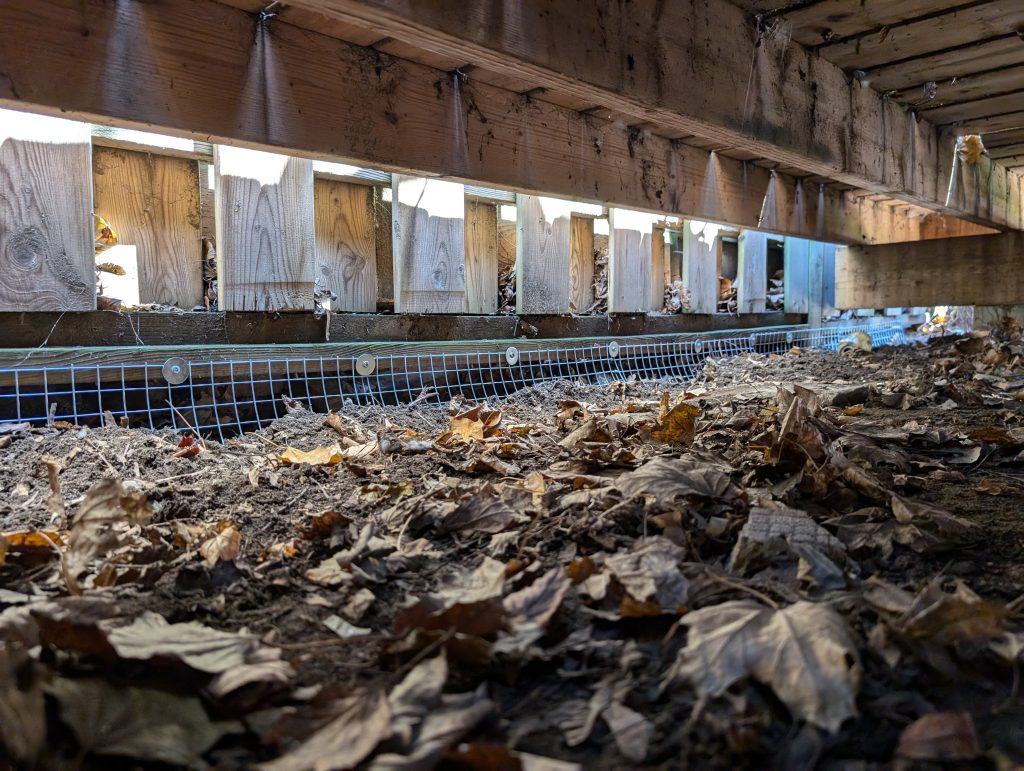
Thus, the presence of raccoons is quite common under porches and decks. It is better to keep them away from such spaces by closing them off with wire mesh. Clean up your yard of food scraps and fallen fruit. If the infestation is huge and it does not go away with few measures, then hiring a raccoon removal Bradford expert is the best go-to solution.

Understanding Hidden Dangers and Risks

According to some homeowners, raccoons, squirrels, and skunks are not life-threatening pests as they are extremely small. But that’s a myth! Once these small pests become a part of your family, they can bring massive damage to property and health. Skunks have rabies and spread bad smells, putting family members and pets at risk. Squirrels greatly increase fire risk by chewing through electrical lines and damaging insulation. Raccoons contaminate garbage cans with dangerous pathogens, including leptospirosis. Nesting in chimneys and attics also ruins property. All these three pests also bring ticks and fleas, which are hard to eliminate from pets. To protect your home against all such damages, taking immediate action against wildlife pest control is very important.

When Are Skunks, Squirrels, and Raccoons Most Active?

All these three pests have different activity patterns, affecting both home and office surroundings. Skunks, being nocturnal, are most active at night, especially around dawn and dusk. Meanwhile, squirrels, being diurnal, are more active during the daytime, i.e., late afternoon and early morning. Raccoons, being the nocturnal, are searching for food under the darkness.

Seasonal changes can also impact their behavior routine. Autumn and spring are squirrel’s busiest times for food gathering and shelter finding. Summer and spring bring more activity from raccoons and skunks looking for food and partners. They search for warm sanctuaries within basements and attics in winter. Knowing their habits helps with wildlife pest control invasions in your home!

Hire Expert Wildlife Removal Services for a Safe Property

Are skunks, squirrels, and raccoons responsible for damaging your land? If yes, then don’t panic, and hire professional services of North Star Pest Control right now. For your businesses and homes, we have humane and skilled treatments to get rid of wildlife. We quickly find the infestation, stop further damage, and bring long-term solutions to keep them out of property. Our trusted wildlife pest control services will keep your home safe from health risks and repairs that cost a lot of money. Hire us now for quick, reliable, and effective pest control!