

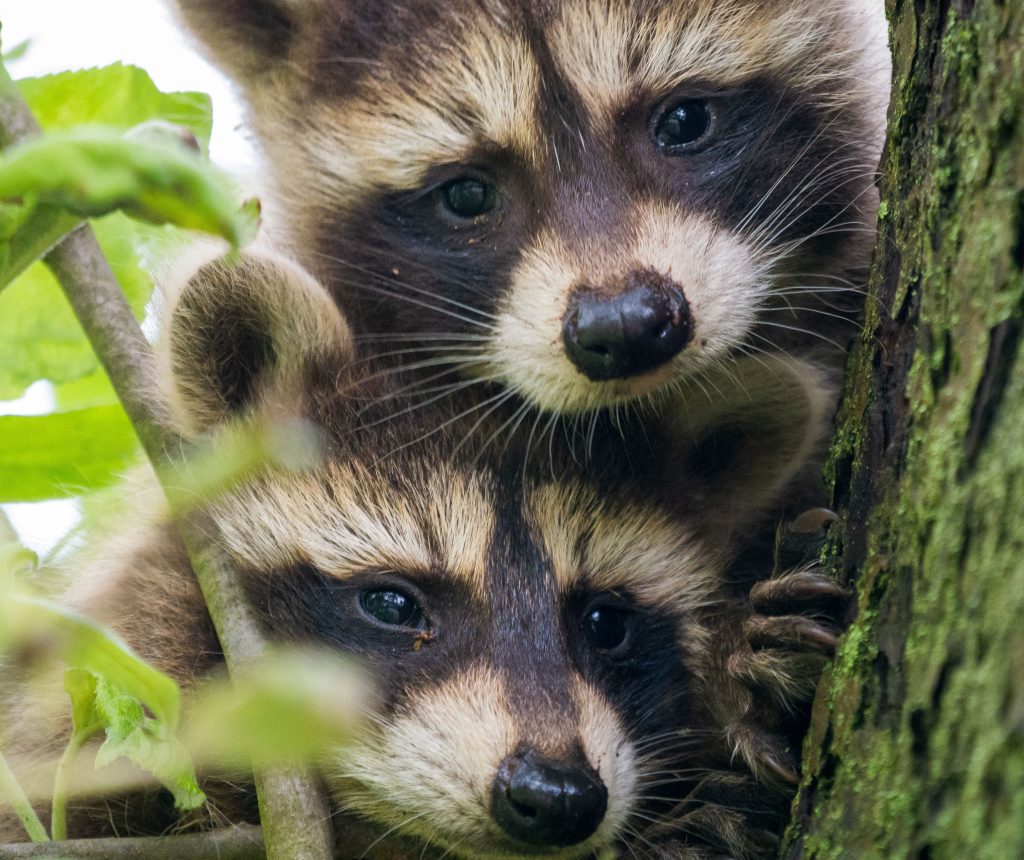
Wildlife intrusions in homes are increasingly common, with animals such as squirrels, raccoons, bats, birds, and rodents often entering attics, walls, and basements. Their young are frequently found indoors due to seasonal nesting, weather shifts, and the search for warmth and safety. Humane removal is essential to protect both people and animals, as improper handling can cause stress, legal issues, or worsen infestations while also disrupting local ecosystems. This guide explains the major do’s and don’ts for humanely remove wildlife babies from yards, garages, or attic areas.
Need to Humanely Remove Wildlife Babies from Home
A lot of care is needed when it comes to humanely remove wildlife babies from your home. You definitely don’t aim to hurt or kill them, but at the same time, making them transport to a safe location is equally important. There have been a number of young animals who get separated from their parent animal and are drawn into a property in search of food and shelter. For example, if you look around, you will find massive signs of raccoon nesting in attic.
In the process of removal, the objective is to ensure the safety of humans and animals without any harm. Above all, keep in mind that baby wildlife is fragile and should be handled only by professionals. Do not panic; take slow steps towards them. If possible, contact trained wildlife rescue experts. Try to understand the species before acting. Humane removal involves the safe return of animals to their habitat. This way, animals will always be able to pursue their natural life’s journey while preserving the ecosystems.
Major Do’s to Humanely Remove Wildlife Babies
Stay Calm and Observe
Keep a cool head around wildlife babies in the house. Watch them from a distance and learn about their movement and behavior. Above all, make sure the mother is not close by. Avoid sudden movements. By observing carefully, you will be able to determine the safest and most humane method you can do for the prevention.
Keep a Distance from Wildlife Babies
Do not approach wildlife babies as this can cause stress and/or injury. They may be afraid of humans, which can also lead them to attack you in return. In addition, don’t touch or move them furiously. Give them proper space to allow them to stay calm until they are safely back with their mother or until help arrives.
Contact Wildlife Professionals
It definitely gets hard for a homeowner to handle the wildlife in such a huge population. If using DIY methods, the best approach is to hire the expert services of wildlife removal company. Above all, they start the removal process by inspecting the property to understand the entry points of these animals, which is helpful in planning smart measures.
Provide Safe Temporary Space
Don’t forget to provide the animals with a safe temporary place according to their comfort level. You can use a box that has ventilation and is filled with soft material. Keep warm, quiet, and in the dark. Do not feed or water unless authorized to do so by experts to avoid accidental harm or stress.
Avoid Direct Handling
Do not handle wildlife infants directly as it can lead to injury, stress as well as transmission of diseases. Gloves should only be used when required, and the least possible contact is best. Furthermore, always recommended to leave it to the professionals to remove it, to ensure safety for everyone in the situation, including humans and animals.
Significant Don’ts to Humanely Remove Wildlife Babies
Avoid Getting into Physical Contact
Try to avoid handling wildlife babies, as a minor physical touch may stress or lead to abandonment of the animal. There are species that need little interaction with humans for survival. Keep yourself at a distance from them until professional help arrives.
Do Not Use Harmful Chemicals
Avoid using poisons or harmful chemicals to get rid of wildlife babies. Such solutions have the potential to harm or kill animals and pollute the environment. Chemical use is also unhealthy for humans and pets. Relocation should be done with humane and professional methods only under the supervision of trained experts.
Do Not Separate from Mother
Avoid unnecessary separation of wildlife babies from their mother. Separation can decrease the chances of survival. Be patient and take time to observe before taking any action. Professional guidance helps ensure correct and humane decisions for the best possible survival outcomes.
Do Not Make Loud Noises
Keep noise away from wildlife babies, as this will frighten and disturb the animal’s natural behavior. Maintain silence and immobility to increase chance of safe return and survival of animals to their mothers.
Avoid Attempting Self-Evacuation!
Never try to relocate wildlife babies on your own, as it could injure or kill them. Professional wildlife rescuers know and have the tools to relocate wildlife safely. For safety reasons, don’t attempt to move animals at home without assistance from experts.
Common Risks of Improper Wildlife Baby Removal
The inappropriate removal of wildlife babies can orphan them or cause an undue loss of life if parents are separated. Animals become trapped in walls or attics, leading to structural problem and bad odors. Disruption of nests may cause parents to move closer to the site, which can result in re-infestation or increased nesting.
Some mammals carry rabies, flea & mites, and rodents carry hantavirus, which can turn into a significant health hazard. Also, wrongful handling could lead to legal consequences and fines. In general, untrained removal causes greater danger for the animals and people and can exacerbate the initial wildlife issue unless it is done properly.
Protect Your Home with Safe Wildlife Removal Today!
Don’t risk your safety or the lives of innocent wildlife babies by attempting DIY removal. Trust the experts at North Star Pest Control for safe, humane, and professional wildlife baby removal solutions. Our trained specialists ensure ethical handling, complete nest removal, and long-term prevention to keep your home secure. Call North Star Pest Control now and give your home the ultimate protection it deserves.