

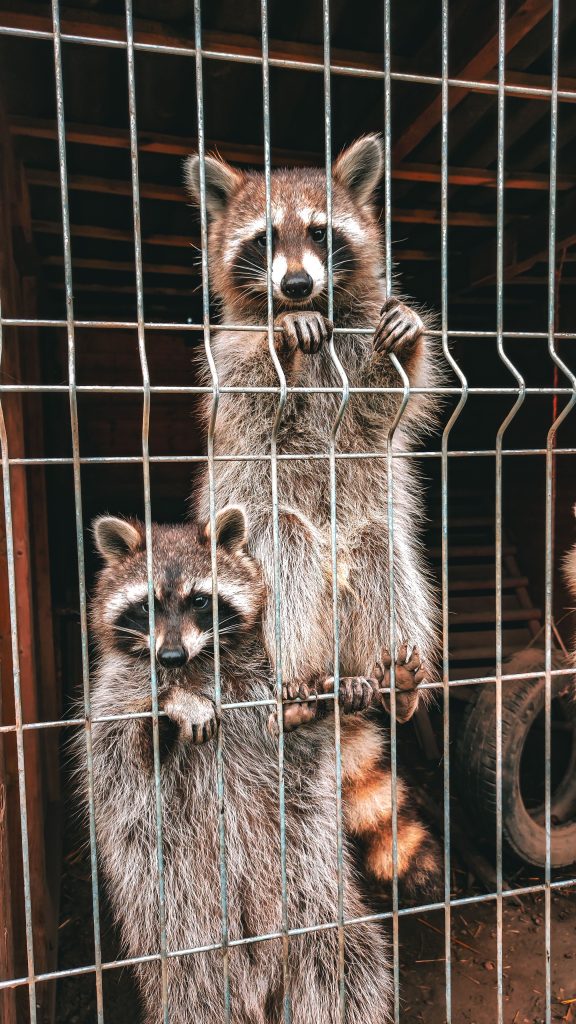
Raccoons are among the most common wildlife species in urban as well as suburban environments. They very commonly are living close to homes, sheds, garages, and commercial buildings. As raccoon populations continue to thrive in residential areas, encounters with their droppings have become increasingly common in attics, crawl spaces, backyards, gardens, and garages. This raises an important question for homeowners and pet owners alike: Is raccoon feces toxic?
Is Raccoon Feces Toxic?
When we ask the question, is raccoon feces toxic, the answer is definitely “YES”. Their droppings contain harmful parasites, bacteria, and disease-causing organisms, which can be a major health hazard for humans and pets. Generally, the diseases take place through the process of cleaning, gardening, mowing the lawn, or even unintentionally by pets and children. Hence, knowing the threats and taking precautionary measures is necessary to remove raccoon poop from your property.
Another major concern is the parasite, popular as raccoon roundworm (Baylisascaris procyonis). It can cause serious disease in animals if the eggs are ingested or inhaled. Raccoon feces can also contain dangerous bacteria and pathogens, which can pollute the soil, water as well as surfaces near them. Protective clothing and equipment, maintaining a distance, effective clean-up, and taking disinfection practices will minimize your risk of infection and keep your family or pets safe.
What Do Raccoon Feces Look Like? (Identification Guide)
The droppings are about 2-3 inches long, and look like a small bowel dropping of a dog. The feces often include seeds, berries, or insects, as well as food remains, at times. Raccoon latrines’ are another unique characteristic that helps to identify their activity and follow trails or locations. This will help to know which areas of the property are under regular attack to build a pile. They are dark brown to black or reddish. Typical sites to notice the trails are attics, wood piles, rooftops or gardens as well as backyards.
Major Health Dangers of Raccoon Feces to Know
Humans gets an exposure to major hazardous health risks from a raccoon’s dried feces if they inhale it. The biggest risk is Baylisascaris procyonis, which may lead to significant neurological problems. Other risks include exposure to Leptospirosis, Salmonella bacteria, Giardia as well as Escherichia coli. People can get gastrointestinal illnesses or fevers from contaminated soil or surfaces. Pets and children are particularly susceptible to the risks. Hiring expert services of raccoon control in Vaughan will help you to prevent all these risks.
To avoid infection and possible complications, adequate protective equipment and clean-up operations should be used over the contaminated surfaces. Hence, vacuum the dry droppings with regular sweeping. A thorough cleanup is necessary to suspend the spores, as they can easily spread into the air in a short time. This may increase the risk of inhalation exposure to humans.
Different Ways to Identify Raccoon Feces at Home
Multiple Feces Piles in One Location
Raccoons leave a number of piles of feces in a small spot (or target area), which they call the “latrine. When raccoons drop something at one location, they will constantly use the spot again to form a buildup. They form a cluster of piles which is known as a latrine site.
Repeated Use of the Same “Bathroom” Spot
Raccoons are habitual animals and will visit the same latrine over and over again. Plumage may be found piled on top of old melts in the same location where it gets congealed. This consistent reuse over time clearly distinguishes a latrine from one-time droppings left by other wildlife or stray animals passing through. You should also prevent raccoons entering attic, as they are fond of hiding in such spots to form a secure pile.
Strong, Foul Odor Buildup Over Time
The smell of a raccoon is quite strong and could be a persistent odor that becomes worse when it is used more often. Smell gets stronger within enclosed areas (e.g., an attic or a deck). As the waste accumulates, it releases a musky thunder-like odor. Hence, this is a major sign of an active raccoon latrine in or around a home.
Safe Cleanup Guidelines to Remove Raccoon Feces
Wear Proper Protective Gear
Always use gloves, a mask (preferably N95), and old clothing or disposable coveralls. Avoid direct skin contact with feces or contaminated surfaces. Protective eyewear is also recommended if there is a risk of dust or particles becoming airborne during cleanup.
Avoid Dry Disturbance
Never sweep or vacuum faecal matter as it can blow up the air and spread infectious particles. Instead, lightly wet with a disinfectant or soapy water. Simply proceed with the process of removing, as there is a danger of spreading dust particles and dust contamination.
Use Safe Removal Methods
Carefully cover or use disposable instruments to handle feces, and place feces in a tightly closed plastic bag. Double-bagging is recommended. Be aware of where you place waste. Ensure waste disposal is done out of the way of animals and children in an outdoor garbage receptacle.
Disinfect the Area Thoroughly
After removal, clean the entire area with a good strength disinfectant solution or a bleach solution (use of approximately 1 parts bleach to 9 parts water). Incubate for at least 10 minutes and then wipe. This will eliminate any possible bacteria or parasite eggs that may be left behind.
Wash Hands and Decontaminate Items
When removing gloves, wash hands when removing gloves with soap and warm water, and then carefully remove gloves. All equipment and garments, which you are using more than once requires washing in hot water separately from the washing machines.
Consider Professional Help for Heavy Contamination
It is advisable to hire professionals of raccoon removal in Brampton for large-size, attic, or heavily contaminated latrines. They remove debris and pick up the area safely (not causing threat to health).
Protect Your Home from Hidden Biohazards Today
Raccoon feces are more than just an unpleasant mess, it can expose your family and pets to serious health risks if not handled correctly. Don’t take chances with DIY cleanup or unknown contamination in your attic, yard, or crawl spaces. Trust the professionals at North Star Pest Control for safe, effective, and thorough raccoon waste removal. Our trained experts use advanced protective methods and proven sanitation techniques to restore your home’s safety and peace of mind quickly and reliably.