Pests Archives – North Star Pest Control

Welcome To North Star Pest Control

416-540-2694

Why Are Pest Infestations Dangerous?

Why Are Pest Infestations Dangerous?

Finding a great number of pest infestations in the home, both indoor and outdoor, is no less than a nuisance. It won’t just cause huge damage to your property, but also cause massive harm to your health. There are many homeowners who are clueless about why are pest infestations dangerous. Whether it is about rodents in the attic, ants in wooden structures or roaches in the kitchen, each one of them leaves behind its own dangerous side effects. This guide explores the question of why are pest infestations dangerous for a property and human health. Let’s dive into the discussion below.

Facts Behind Why are Pest Infestations Dangerous

Knowing the reality behind why are pest infestations dangerous is very important. Not only are pest infestations affecting your health, they also present a great risk to your home. Pests such as cockroaches and rodents reproduce rapidly, impacting human health. Above all, they also contaminate surfaces, water and food surfaces, making it unsafe. Noticing them in huge population requires immediate pest control in Brampton.

Moreover, pests also damage property and structures in the home, by biting into furniture, wood and cables. This may also result in expensive repairs as well as even health risks, such as wires. In conclusion, pest infestation leads to a unhealthy and uncomfortable living environment, disturbing life

Significant Dangers of Pests for Health and Property

Risks to Health

Pests can also pose a threat to human health through disease. Rats spread diseases via their faeces, and cockroaches can cause allergies as well as asthma in children. Pests also cause food poisoning by contaminating food and water. This can compromise the immune system, making people more susceptible to disease.

Dangers to Property

Pests are destructive to property as well as wooden structures. Ants can destroy wood materials, causing massive structural damage, and rodents chew through cables, potentially causing fires. Pests also ruin furniture, clothes and belongings by chewing on them. This can cost a lot in the long run. Pest infestation reduces the value of a property and makes it uninhabitable.

Major Reasons Why Pest Infestations Take Place

Lack of Cleanliness and Hygiene

Poor hygiene is a major cause of pest infestations. Pests are attracted to crumbs, litter and filth. Poor waste management provides pests with shelter and food. Hence, a clean environment is less likely to have pests.

Moisture and Water

Pests love humidity and wet places. Moisture from leaks, water puddles as well as high humidity are ideal habitats for pests such as cockroaches. Hence, lack of ventilation can also lead to moisture. Repairs and drying up spaces reduce the presence of pests.

Poor Food Hygiene

Pests are attracted to open or improperly stored food. Food left in open containers as well as spills provides an easy meal and shelter. Their main attraction is the kitchen and storage. Keeping food stored in containers and cleaning up spills promptly can help deter pests.

Dirty/Messy Areas

Pests can easily hide in clutter and are difficult to spot. Storing boxes, clutter and disorganized storage spaces provide shelters for pests. Keeping a clean and tidy home can help avoid pests.

Importance of Hiring Professional Services to Control Pests

Having a pest-free environment is important for health reasons. They correctly identify and solve issues. Professional pest control company in Vaughan addresses the root problem and helps prevent re-infestation. Pest control protects property from damage by ants, rodents and insects. Hence, it also prevents pest-borne diseases. Overall, professional pest control services offer long-lasting relief, comfort and hygiene in the home or workplace.

Preventive Measures to Avoid Pest Infestations

Maintaining Proper Cleanliness

Keeping a clean house is a good way to avoid pests. Ensure that you have mopped the floor and also wiped off the food crumbs. Remove any excess garbage, if present. Make sure there are no leftover foods on the kitchen counter. Keeping the kitchen free from germs and unhealthy environment can prevent pests.

Seal Entry Points

You must watch out for cracks, gaps or holes around doors and windows. You need to cover up all the cracks or holes which are let the insects enter your home. These are all attractions for rodents and insects. If you have windows, use screens and door sweeps to prevent pests entering your home.

Eliminate Leaks and Moisture

Repair leaking pipes, faucets and roofs to prevent water damage. Make sure rooms like the kitchen and bathroom are well ventilated. Above all, moisture attracts pests, especially insects. This makes your home less attractive to pests.

Store Food Properly

Keep food stored in containers and avoid leaving food sitting out. Clean up spills as well as don’t leave dirty dishes lying around. Storage eliminates potential food sources for pests. This will reduce the risk of insect and rodent infestation.

Proper Maintenance

Check your home for infestation, such as droppings. This helps prevent large infestations. Maintain a clean environment by trimming vegetation and removing rubbish. This will make your home safe and infestation-free.

FAQs: Common Questions People Often Ask

  1. Do pests multiply very fast?

Yes, they have the capacity to multiply at an immense rate, where their immediate growth can be a reason to cause severe issues. It should be treated promptly for better protection.

  1. Do DIY treatments bring better results?

DIY treatments can merely show results on a temporary basis. They don’t eliminate the root cause very fast, whereas professional services show long-term results.

  1. How can I prevent pest infestations?

Maintain cleanliness, seal entry points, store food properly, and schedule regular inspections to reduce the risk of pests entering your home.

Protect Your Home Today with North Star Pest Control

Give your home and health complete protection against the dangerous attack of pests. North Star Pest Control is right here to deliver safe and effective solutions for pest management according to your needs. We have an experienced team of pest control professionals who eliminate all kinds of pest attacks after a thorough examination of the property. Get in touch with us now and, save your home from the worst attack of pests.

Signs of Raccoon Nesting in Attic

Signs of Raccoon Nesting in Attic

When homeowners start hearing unusual noises or seeing damage inside their homes, one of the most ignored reasons is wildlife invasions. Among these, signs of raccoon nesting in attic spaces are getting very common, especially during this time of the year. Therefore, at North Star Pest Control, we know how stressful and disturbing this situation can be. Moreover, raccoons are not just temporary visitors, they usually turn your attic into a safe nesting ground. This is particularly true during breeding season when they are actively looking for warm, safe places to give birth. Homeowners commonly wake up to find tiny raccoon babies in their attic if they have long overlooked the signs of activity.

Signs of raccoon nesting in attic you should never ignore

If you feel like something is wrong in your attic, it is important to pick the early warning signs before the problem increases. The signs of raccoon nesting in attic areas are usually very noticeable once you know what to look for. Moreover, these animals are larger than most pests, which means they bring along clear signs of their presence.

One of the most common signs is loud noises, especially during night. You will hear heavy jumping, scratching, or even movement that sounds too big for a rodent. Furthermore, this is because raccoons are active at night and usually move around too much while making nests or caring for their young.

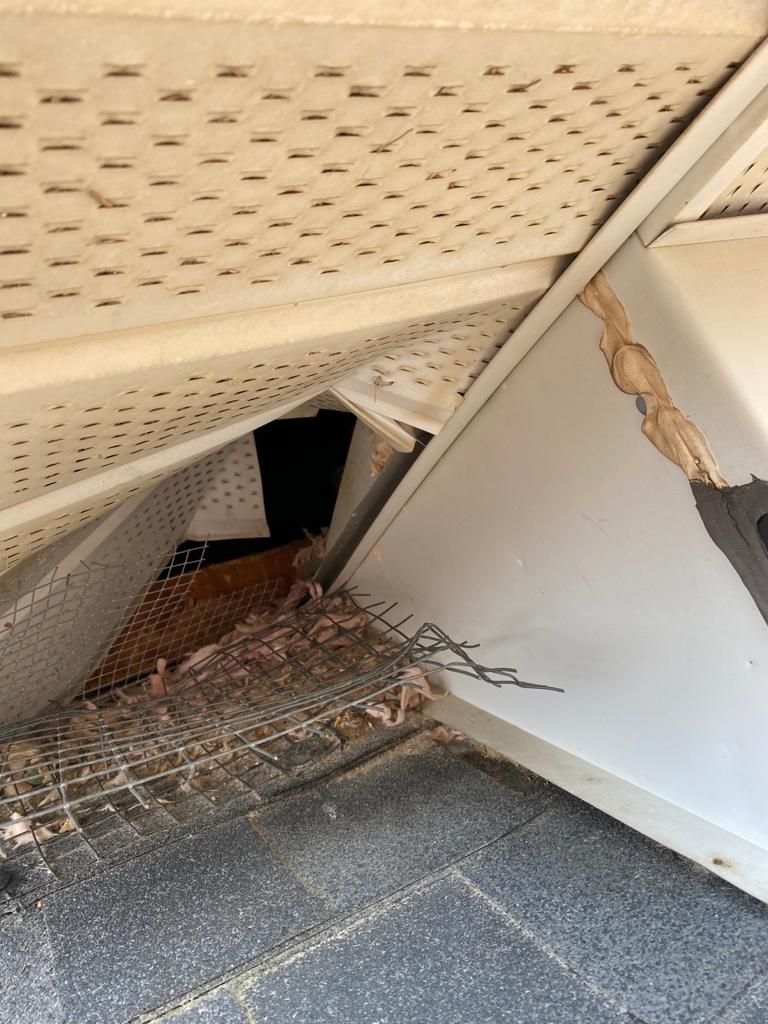
Additionally, another strong warning is damage to your roof or vents. This is because raccoons are strong animals that can tear vents and wires to get entry into your attic. Once inside, they make nesting areas using insulation and other materials, causing more damage.

Alternatively, a bad smell can develop over time. Raccoons leave behind urine and feces, which not only smell bad but can also bring along serious health risks. Therefore, if the infestation grows, these smells can spread throughout your property.

Why raccoons choose your attic during breeding season

Raccoons are very smart and adaptable animals. They do not enter homes randomly. However, they actively look for safe, warm, and quiet places especially during breeding season. Moreover, this is the time of year when female raccoons are looking for the perfect place to give birth, and your attic offers what they need. It gives warmth, safety from bad weather, and a hidden space where they can raise their babies without disturbance. Therefore, this is why signs of raccoon nesting in attic spaces become much more common during this period.

Additionally, another important reason raccoons choose attics is the easy availability of food from nearby. Open garbage cans, pet food, and bird feeders can quickly bring them to your property. Once they find a trusted food source and a safe nesting area, they are likely to stay and give babies. Homeowners looking for a reliable raccoon removal company in Woodbridge should work fast. This is because delaying action during breeding season can cause a large scale infestation with a mother and her babies inside your attic.

Breeding season makes raccoon infestations noisy and dangerous

During breeding season, raccoon activity increases greatly. Moreover, this is when the problem becomes bad for homeowners. Female raccoons enter attics specifically to give birth. Therefore, once the babies arrive, the space becomes very noisy. You may hear high pitched crying, chirping, and constant moving sounds, especially at night. These are clear signs of raccoon nesting in attic areas, and they should never be ignored.

Additionally, the mother raccoon becomes very protective. Also, she may act aggressively if she feels her babies are in danger. This increases the chances of dangerous raccoon attacks if you try to deal with the situation on your own. Moreover, as the babies grow, the infestation increases, leading to more damage, stronger smells, and greater health risks. This is why homeowners should get expert raccoon removal in Brampton to ensure safe and effective relocation of both the mother and her young.

Conclusion: Damage, health risks, and why expert help Is important

Once raccoons start living in your attic during breeding season, they can cause great damage and unsafe living conditions. Moreover, they tear insulation to make nests for their babies, chew on wires, and damage roofs. Along with structural damage, their droppings and urine cause bad smell and health risks due to bacteria.

This is true that because of the presence of baby raccoons, removal becomes difficult and should always be done by experts. Therefore, at North Star Pest Control, we use humane ways to safely remove both the mother and her babies while making sure no animals are left behind. Additionally, we also close entry points and clean the affected areas to stop future infestations.

Keep Raccoons Away from Your Home Without Harming Them

Keep Raccoons Away from Your Home Without Harming Them

Raccoons are becoming an increasingly common sight in urban and suburban neighborhoods, often rummaging through trash, damaging gardens, and nesting in attics. While their intelligence and adaptability make them fascinating, they can also cause costly property issues. Instead of resorting to harmful measures, homeowners can use humane and effective strategies to deter raccoons. This guide explores safe, ethical ways to keep raccoons away from your home while coexisting peacefully with wildlife.

Importance to Keep Raccoons Away from Your Home

Raccoons are one of those unwanted visitors in your house which requires an immediate action of elimination. It is important to keep raccoons away from your home to avoid severe damage in the future. They are one such clever wildlife animal that draws into your property without any alarm. They damage insulation, roofs and wiring to build shelters. Meanwhile, they also spread dangerous diseases that are transmissible to both pets and humans.

Their prevention will save you on expensive repairs and safeguard your living space. Preventive measures not only maintain the integrity of your house, but it also brings about peace. Hence, it lets you and your family enjoy a normal life without being surprised by any sudden inconveniences or illnesses.

Common Signs to Identify Raccoons in Your Home

Unusual Noises at Night

Raccoons are night creatures, making them extremely active during the night hours. You will listen to shuffling, thumping or scratching sounds in ceilings, attics or wall areas. These sounds are often regular and more massive compared to the sounds of smaller pests. This sign indicate the major need to keep raccoons away from your home.

Disturbed Garbage and Outdoor Mess

Another obvious sign is turned upside-down rubbish cans or littering. Raccoon is a determined forager that will go through garbage to find food. When you see that your yard is regularly messed up, even with secure bins, then it is an alarming sign that you are having a raccoon around.

Visible Entry Points or Damage

Raccoons can shred holes in roofs, vents, or siding to enter. Check the shingles on the roof, their folds, or the expansion of openings. These animals are powerful, and such damage usually implies that they have already penetrated your home.

Droppings and Strong Odors

Pieces of droppings are commonly visible in dark as well as attic corners of the home, which highlights their presence. They are bigger in size and have an unpleasant, strong smell. With time, the smell becomes more pronounced, particularly in crowded or stuffy places.

Tracks and Grease Marks

Raccoons leave behind them peculiar footprints that look like small human hands. You can locate these in entry points, walls or dusty spots. Another sign of their presence is grease deposits left behind by their fur in areas that are frequently used.

At What Time of Day Are They Most Active?

Raccoons are primarily nocturnal animals, making them mainly active at night. Their movements generally start around the Time of sunset and go on until the early morning. This kind of behavior assists them in evading the interaction of humans as they seek food and shelter. They are quite active during the day in the areas where food sources are easily accessible.

Their activity at night involves foraging, exploring and nesting, which can be easily detected in silent hours. Knowing their active periods enables homeowners to be more alert to any suspicious activity and act on time for long-term raccoon removal Brampton.

Smart Measures to Keep Raccoons Away from Your Home

Safe Sources of Trash and Food

Make sure that garbage bins are well covered with tight lids and kept in safe locations. Do not leave pet food outside at night because this is a way to attract raccoons. This would deter returning since easy access to food cannot be easy.

Entry all Possible Sealing Points

Check your house frequently to see whether there are gaps, cracks, or unsound structures. Fix broken vents, roofing and siding. Sealing possible points of entry will ensure that the raccoons have no access to it, and your property will be less attractive as a nesting place.

Install Lighting Motion-Activated

Raccoons like dark and quiet places. Motions in your yard can be disrupted by installing motion-activated lights to startle them. This easy intimidation causes them to find other places that are less comfortable to stay than your property.

Keep the Environment Clean

Maintain your yard without fallen fruits, open compost, or trash that may give shelter or food. Cut short any tree branches that are near your roof. A properly maintained area eliminates concealed areas and makes it difficult for raccoons to settle in.

Protective Barriers and Covers

Install chimney caps, vent covers and heavy fencing where needed. They are barriers that do not allow the entry of raccoons into common access points. Investing in long-life materials would guarantee protection in the long term and reduce instances of recurrent intrusion.

Get Professional Assistance

When raccoons have already received an invitation into your house, it is sometimes best to call a professional like North Star Pest Control. Contact us today to eliminate them in a humane way and find flaws in your house. The early treatment will avoid the damage and keep your house safe and sound.

FAQs: Common Questions People Often Ask

  1. What is the most hated thing about raccoons?

Raccoons do not prefer strong smells such as ammonia, vinegar, garlic, and commercial repellent odors. This irritates their sensitive noses, making them avoid lingering around houses.

  1. Will the raccoons come back once they have been taken out?

Yes, raccoons can come back when food resources or entry points are open. Hence, after the prevention, it is vital to seal the gaps.

  1. Do raccoons destroy roofs and attics?

Raccoons are also able to rip shingles, vents and insulation to form nests. This leads to structural damage and possible entry points to your home in the long run.

Protect Your Home from Raccoons with North Star Pest Control

Don’t let raccoons damage your property or threaten your family’s safety. At North Star Pest Control, we provide humane, effective raccoon deterrent services tailored to your home. Our experts use eco-friendly solutions, secure entry points, and monitor wildlife activity to keep raccoons away safely. Protect your garden, attic, and pets today with our safest, most reliable raccoon prevention methods available.

Identifying Skunk Dens: Common Locations Around Homes and Gardens

Identifying Skunk Dens: Common Locations Around Homes and Gardens

One of the most common urban wildlife is Skunks that are usually common around residential areas and gardens. Although they may appear innocent, skunks can end up damaging properties and pose health hazards to humans. These issues are easy to prevent when you start identifying skunk dens early for better property protection. This guide gives you a quick overview of identifying skunk dens, the main causes behind the dens’ buildup and how to prevent them smartly.

Importance of Identifying Skunk Dens Around Homes

Identifying skunk dens around residential houses is essential for the security of property and family. They can damage the lawns, gardens, and structures as well as cause hazards to health due to itchy bites or diseases like rabies. Early detection will avoid unpleasant experiences, heavy smell, and expensive maintenance. Homeowners who are aware of the areas for identifying dens help them to take some proactive actions to prevent their entrance.

Surveillance of your backyard and neighbourhood is always in need of appropriate steps in a timely manner. Hence, this will decrease the level of stress and enhance security. Learning about the behaviour of skunks helps to bring humane and effective results, while balancing between wildlife and residential places.

Common Locations for Identifying Skunk Dens

Under Decks and Porches

These pests usually take refuge below the decks, porches as well as elevated buildings to have extra protection and warmth. Such stippled areas are not visible to predators and humans. It is important to prevent burrowing to avoid letting them create permanent dens in the areas where people live. Homeowners need to frequently check these areas, as well as the burrow entrance and soil disturbances.

Sheds and Garages

Sheds, garages and storage spaces all provide habitat since they can find shelter there with minimal disturbance. There are easy access points under doors as well as cracks of foundations. Examination of these structures is possible when you hire expert services of skunk removal company in Vaughan.

Wooded Areas and Brush Piles

Wood piles, thick brush, or gardens are the best hiding places for these pests. These areas offer shelter and warmth and food (small animals or insects). Clearing up debris on a regular basis and surveying these places can help keep them away to ensure that they do not build dens without being noticed in their vicinity.

Under Abandoned Structures

These pests are fond of old buildings which are barn or have crawl spaces because they offer quiet places. Careful inspection and blockage of access points of such structures help to keep them off, to reduce the risk of smell, noise, and possible health risks.

Major Signs to Notice for Identifying Skunk Dens

Tracks and Footprints

These pests have small tracks, and each paw has five toes. The tracks are frequent in soft soil or mud. The presence of these footprints around foundations, gardens as well as lawns means that somebody is around. It is a good practice to monitor such tracks so that they can act before these pests become completely established.

Spray Odors

The odour around the possible den sites is very strong and musky, which is a sign of their presence. Never ignore the smell, it will linger on for a day. Early detection would help to deal with the problem cautiously without necessarily making the animals unsettled, which would minimize chances of being sprayed.

Burrow Entrances

The hole made by these pests is easily noticeable, that is usually 6 to 10 inches wide. It is easy to see these entrances close to buildings or open spaces, which depict a den. The burrows are covered or deterring to prevent further habitation.

Nocturnal Activity

These pests are nocturnal animals. Their presence is easy to observe as they forage or hear them rustling or detect any movement at night and day on the outskirts. Monitoring these trends would assist homeowners in finding out where they may be hiding and act to prevent this safely.

Safety and Prevention Tips for Identifying Skunk Dens

Maintaining Yard Cleanliness

Mowing lawns, cleaning gardens, and cleaning debris promotes the discouragement of these pests. Elimination of food waste, dropped fruit, or pet food decreases attraction. Frequent maintenance means fewer places to hide, and their activity can be noticed sooner.

Seal Potential Entry Points

Opening under foundations, vents and sheds as well as porches. Access is blocked with mesh or other barriers. Covering these points does not allow skunks to get access to the buildings and establish a nest where they can cause harm or produce unpleasant smells.

Use Motion-Activated Lights

Motion-sensitive lighting can be installed in order to discourage nocturnal skunks. Blasts of light shock them and do not encourage them to stay. This is a safe option and does not harm the environment. Hence, this will help limit nighttime visits around houses and activity around potential habitats.

Avoid Direct Confrontation

Never think of approaching or getting near to these pests. When threatened, they spray, making them smell strongly as well as distressing. Keep a distance and seek professional removal services in case they are required to maintain the safety of both human beings and animals.

Application of Natural Deterrents

These pests can be deterred by certain smells such as ammonia, citrus or predators’ urine. They can be sprayed around known den entrances and reduce the level of activity. Frequent replenishment of such deterrents makes sure that these pests do not come back, and still makes the environment non-toxic and safe.

Contact Professional Wildlife Services

It is also safe to call in trained skunk control and removal services in case the preventive measures do not succeed in getting rid of these pests. Skunks are removed by professionals in a humane way, dens are detected, and long-term prevention strategies are recommended, which carry home, family and pets rather safely.

Protect Your Home from Skunk Attacks with North Star Pest Control!

Don’t let skunks ruin your garden or create safety hazards. North Star Pest Control offers professional, humane removal and den prevention services. Our trained specialists identify and safely relocate these pests while securing your property against future invasions. Protect your home, pets, and family from unwanted wildlife today. Schedule your inspection and enjoy a safe environment guaranteed.

Pest Free New Year: Tips to Start 2026 Without Unwanted Guests

Pest Free New Year: Tips to Start 2026 Without Unwanted Guests

The New Year is the perfect opportunity to refresh your home, but pests can quickly spoil a fresh start. Cockroaches, rodents, and other common invaders thrive in neglected spaces, posing health risks and causing damage. This guide offers practical, effective, and eco-friendly strategies for a pest free New Year. By following these tips, you can maintain a safe, clean, and healthy environment, ensuring peace of mind for you and your family throughout 2026.

Importance of Inspections for a Pest Free New Year

Starting the New Year with a house inspection against the attack of pests is very important. Early infestations are quick to detect, thus preventing serious problems even before they occur. The fact that professional inspections are also a sure way of timely treatment, health and peace of mind protection of the property as well. Early fixes will eliminate the high expenses of repair, structural damage and contamination risk.

The inspections help in keeping the environment clean and safe for your family or employees. Scheduling regular checks with pest control company in King City would guarantee that you have a worry-free year with the minimization of the threat of pests. The inspections will ensure a safer, healthier, and more comfortable environment throughout the year.

Smart Tips to Follow for a Pest Free New Year 2026

Sealing All Entry Points

Check doors, windows and walls to identify holes that can be used by the pests. Seal all the points appropriately to prevent insects and rodents from getting inside. Such an easy precaution measure secures your property, reduces the chances of infestation and provides a safe environment. Hence, a little bit of work saves greater ills to come.

Maintaining All Cleanliness

Maintain kitchens, pantries and living areas clean without crumbs as well as food spills. Frequent cleaning gets rid of what is enticing pests, and this makes your home less attractive. Hygiene is a sure way of creating a healthy environment in your home and lowering the risk of cockroaches, ants, and rodents becoming a part of your home.

Proper Waste Management

Clear garbage off to avoid the spread of dangerous diseases as well as germs of pests. Exposed trash is also a fast attractant of insects and rodents, which then results in infestations. Frequent waste management makes the area clean and prevents the threat of pests. Following proper disposal techniques is a very easy yet efficient method of keeping the home pest-free and hygienic.

Inspection of Stored Items

Check stored boxes, pantry, and clothing regularly towards pests. The infestations usually begin in neglected as well as unused places. You can easily detect and eliminate any pest infestation during early inspection before the infection spreads. This practice contributes to a clean and safe home as well as a pest-free home.

Managing the Moisture

Make sure to fix leaky pipes, faucets as well as damp spots. Water encourages the growth of pests like cockroaches, termites and rodents. Keeping your home dry decreases breeding grounds as well as avoids infestations. Living in a moist environment is also healthy and comfortable, as well as preserving your property.

Keeping the Outdoor Areas Tidy

Trim bushes, cut grass and rake up debris around your house. Unkept bushes as well as debris offer shelters to pests, and thus, they can easily enter your home. Keeping your exterior space clean will minimize the risk of pests and enhance the safety and the overall look of your property.

Plan Regular Professional Pest Control

Have regular inspections and treatment done by certified pest control specialists. Professionals can identify latent issues and offer viable solutions which would be difficult to do independently. Professional services are vital on regular basis. Hence, they make sure that pests are detected early and have long-term protection in your place of place or home.

Always Educate Your Household

Educate family members or colleagues regarding habits of pest prevention, including proper food storage and reporting of leaks. Pest attraction as well as spread are minimized through awareness and regular practices. A knowledgeable homeowner collaborates with others to ensure the year-round presence of a safe, clean, and pest-free environment.

Frequency of Home Inspection for a Pest Free New Year

Regular inspection is required to have a pest free New Year. Frequent visits of at least once a month are helpful in detecting the presence of infestations at the initial stage of the infestation, including droppings, nests, or even structural damage. Pay attention to such common access points as doors, windows, and wall or foundation cracks.

Kitchens, basements and attics also demand special needs as they are damp and provide food to pests. The activity of pests can be greater in the seasons following holidays, and this should be considered in the inspections as well. Checks plus prevention, such as fixing gaps, cleaning, and food storage, will help have a safer and healthier home. Effectiveness is boosted with a professional inspection done once or twice a year.

FAQs: Common Questions People Often Ask

  1. What should I do to avoid pests in winter?

Make sure you close cracks, keep the house dry and clean to prevent invasion of winter pests.

  1. Are natural pest control methods effective?

Yes, pests can be kept away using such methods as essential oils, diatomaceous earth, and natural predators.

  1. How frequently should I go for pest inspection in my house?

Conduct monthly inspections and conduct a professional yearly inspection to carry out thorough pest prevention.

  1. How can the rodents be disposed of the quickest?

Place use traps, close the openings and have the professionals do it permanently and safely.

Start 2025 Insect-Free with North Star Pest Control!

Don’t let pests ruin your New Year! North Star Pest Control provides expert solutions for homes and businesses. Our licensed professionals use advanced techniques and eco-friendly treatments to ensure your property stays pest-free all year long. Schedule a consultation today to protect your home, save money, and enjoy peace of mind with our guaranteed results. Take the first step toward a pest-free 2026 now!

Pest Control Myths: Misbeliefs That Can Make Infestations Worse

Pest Control Myths: Misbeliefs That Can Make Infestations Worse

There are millions of pest issues in homes and businesses annually, which are hard to deal with. Certain pest control myths come into play in the elimination process, making the entire process even more complex. People always believe in old practices and tell stories to implement the same on their properties. But they clearly have no idea how damaging the results can be. Knowledge of what is not working is equally important as the knowledge of what works. This guide exposes the most common pest control myths, sheds light on the truth behind these myths and explains how professional intervention is essential for long-term results.

Debunking Common Pest Control Myths and Their Reality

Myth #1: “If You Don’t See Pests, You Don’t Have a Problem”

Most pests are notorious hiders. Ants live behind walls. Bed bugs hide in seams. Rodents always explore at night. An infestation can take weeks or months to be noticed, as the infested pests may have a hidden infestation. Regular inspections alone can help you identify huge colonies. Professional checks provide early warning signs which are not observed by house owners.

Myth #2: “Store-Bought Sprays Will Eliminate Any Infestation”

Home-made sprays can only kill the visible pests and hardly eliminate the nests or breeding areas. Most of the over-the-counter products provide temporary effects and may even push the pests further into the walls. There are insects that develop resistance to frequently purchased chemicals, such as German roaches. To ensure total eradication, specific species, life cycle and severity of infestation need to be treated.

Myth #3: “Clean Homes Don’t Get Pests”

Cleanliness reduces danger, but does not abolish it. Such pests as ants, spiders and termites burst into neat houses in search of warmth and shelter as well as building materials. Grocery bags, luggage, firewood or neighbouring units bring some of the pests. The tidy houses should be sealed, monitored and evaluated by pest control company in Bradford to remain pest-free.

Myth #4: “Cats Alone Can Handle Your Mouse Problem”

This has been one of the most interesting pest control myths. Cats can sometimes kill a mouse, but they are unable to manage the bigger rodent numbers. The mice breed very quickly and can nest in the walls where the cats cannot reach. The use of pets also exposes people to rodent diseases. Adequate rodent control is achieved by closing access points, baiting strategic locations and surveillance.

Myth #5: “Natural Remedies Work as Well as Professional Treatments”

Vinegar, peppermint oil or baking soda are effective in keeping pests away temporarily, but not long-term. Natural solutions usually attempt to heal symptoms rather than causes. As an example, the essential oils can drive back ants, but they will not destroy a colony. Professional-grade solutions are eco-friendly formulations which are long-term outcomes that are not harmful to individuals, animals, and properties.

Myth #6: “Pests Go Away on Their Own”

To control infestation, taking quick action is very important. The pests reproduce quickly and move to new places, causing more structural destruction. Ants consume wood 24/7, damaging the home furniture. There are several egg cases produced by cockroaches. Bed bugs multiply daily. Waiting and ignoring signs is simply costly and risky to health. Early treatment helps to avoid the growth of colonies and protect your home.

Myth #7: “Killing a Few Pests Means the Problem Is Solved”

Fewer pests do not mean you have finally eliminated them. Many species – particularly of ants and roaches- contain hidden colonies. Remember, you can kill labourers, but not the queen. Pests do not die in their breeding source; this makes them stronger without being killed. To exterminate the pests completely, professional pest removal services in Vaughan look at entry points, nests, and attractive points.

Myth #8: “Bug Bombs Work for Every Pest”

Foggers tend to drive the pests further into cracks and wall voids, thus complicating infestation treatment. Bug bombs are also ineffective since they do not reach nests and are likely to expose residents to unwarranted chemicals. There are even many states that regulate their utilization for safety concerns. Precision application, rather than fogging, offers reasonable and permanent control of pests.

Myth #9: “Pest Control Is Too Expensive”

Never believe such pest control myths. The control of insects will also save money because it will avoid structural damage, contamination of food, electrical problems and infestations. Routine service plans are available with protection at very low monthly or quarterly prices. It is much less expensive to treat a minor issue at its onset than to fix severe damage.

FAQs: Common Questions People Often Ask

  1. Do pests only invade dirty houses?

No! Pests can also move into the cleanest homes in search of warmth, moisture, shelter or food through bags, cracks or adjacent units.

  1. Can natural remedies work for pest control?

Natural remedies might be effective in keeping pests at bay in the short term. They are unable to kill colonies, nests and breeding cycles that cause the frequent repetitions of infestations.

  1. Should I ignore pests when I can see a few of them?

No! A small population means a large population. They may soon turn into a serious problem with much property damage.

  1. Do sprays work in the long run?

Bought sprays only kill visible pests and not nests, which allows an infestation to keep increasing behind the walls or secluded spots.

  1. Do pests disappear naturally with time?

Pests do not tend to go away. The majority of them multiply quickly, propagate via structures and degenerate in the absence of professionalism.

Powerful Home Protection Against Insects Starts Here!

When myths put your home at risk, trust the experts who know what really works. North Star Pest Control delivers proven, science-based pest elimination tailored to your property’s needs. From termites to rodents, we use advanced, environmentally responsible methods to protect your family and investment. Stop wasting money on ineffective DIY solutions, get reliable, guaranteed results today. Contact us for a thorough inspection and long-lasting protection you can count on.

Common Pests Found in Healthcare Facilities: Warning Signs to Watch

Common Pests Found in Healthcare Facilities: Warning Signs to Watch

Healthcare environments must remain clean, safe, and sanitary, but even the most well-maintained facilities can face pest challenges. Warmth, food, and moisture in hospitals, clinics, and healthcare centers are appealing to different kinds of pests. Their presence not only becomes a nuisance but also puts the health of patients, equipment damage and regulatory compliance at risk. It is also critical to identify warning signs of infestations at an early stage to prevent their occurrence. Knowing common pests found in healthcare facilities and its warning signs help to protect patients and staff to build a hygienic and professional environment.

Reasons to Avoid Common Pests Found in Healthcare Facilities

The importance of keeping pests out of healthcare facilities is essential for the patient’s safety and the quality of care delivered in general. Ants, rodents, cockroaches, and bed bugs are some examples of pests that transmit germs, contaminate surfaces and destroy supplies or equipment. Their presence poses health hazards, delays day-to-day activities and augments the risk of infections in susceptible patients.

Pests can also harm the reputation of medical facilities by making the customers feel upset about the quality of service. Through early identification, the healthcare teams can save money on expensive repairs, compliance problems, and the need to impose unnecessary work on employees by providing a clean, safe, and comfortable environment.

List of Common Pests Found in Healthcare Facilities

Ants

The food and moisture in break rooms, storage and the patient rooms always attract ants. As soon as they spot their favorite sources, they make huge trails as well as nesting places. Their contact with surfaces can transmit germs and contaminate objects. Prevent them as soon as possible into a larger phenomenon in the busy care areas. This has been one of the most common pests found in healthcare facilities.

Rodents

Through small holes, rodents may gain access and conceal in storage rooms, basements as well as food areas. They bring dangerous germs with them on their fur and droppings, exposing patients and employees to them. Rodents chew wires, supplies, and equipment, causing safety risks and additional expenses. Early rodent control in Brampton helps in curbing massive infestations.

Cockroaches

The cockroaches will live in dark and damp areas where food or water is available. They move very fast and are frequently active at night, and therefore not easily spotted at the onset. Their excrement and shed skin may cause allergies and pollution. Hence, they can penetrate whole wings of a facility without rapid control.

Bed Bugs

Bed bugs are common healthcare facilities on clothing, bags as well as furniture. They conceal themselves in beds, chairs, and cracks on walls, hence difficult to notice. Patients and visitors feels discomfort and anxious because of their bites. A minor problem can spread rapidly. Thus, frequent inspections by hiring a bed bug exterminator in Woodbridge are significant to prevent them.

Warning Signs of Pest Infestation to Watch Out for

Pest issues within healthcare institutions are usually unnoticeable at the beginning because they present small clues. Search floors, shelves, and equipment of the premises, look for droppings, bite marks or unusual stains. Abnormal odors, particularly musty or oily smells can also be indicative of concealed pests.

Meanwhile, watch out for nests, shreddings, or holes in walls and packaging that are small. Employees can also hear scratching, nighttime movements or insects near food or garbage. The identification of these warning signs at the early stages enables the evasion of bigger problems and safeguards the lives of patients and employees.

Smart Ways to Avoid Common Pests Found in Healthcare Facilities

Keep All Areas Clean and Dry

Wipe down surfaces, floors, storage spaces, etc., to eliminate crumbs as well as spills. Food and moisture attract pests; thus, by keeping everything dry, they are less likely to be attracted. Frequent inspection of common areas such as kitchens and break rooms prevents the pests from establishing a new habitat or getting new hiding places.

Seal Entry Points and Gaps

Open vents, holes, and even small cracks are easy entrances to pests, and it is advisable to seal these openings to prevent the entry of pests into the building. Hence, regular building inspections enable personnel to identify loopholes in the initial stages. Minor repairs may ensure that more serious issues will be avoided and that serious treatment will not be required in the future.

Keep Store Food and Supplies in Place

Canned goods should be stored in sealed containers, and storage rooms ought to be tidy. This minimizes smell and areas of entry by pests. Medical supplies as well as linens are also expected to be stored off the floor to prevent contamination. Storing properly will ensure that the facility is cleaner and easier to check.

Eliminate Clean Wastes Regularly

Bins filled can get attacked by pests within a short time. Removing trash on a regular basis and maintaining waste areas clean are some of the ways to reduce risk. Tight-fitting lids and disinfection bins are also common solutions to this issue. With proper management of waste, there are fewer incentives to attract pests into or within the facility.

FAQs: Common Questions People Often Ask

  1. Why are the pests harmful in healthcare facilities?

Pests infect the bacteria, pollute sterilized space, threaten weak patients and undermine stringent health protocols that must be enforced in health facilities.

  1. Which areas are most attractive to pests in the healthcare facilities?

Kitchens, patient rooms, laundry rooms, storage rooms, and garbage-disposal areas offer perfect moisture, food, and shelter for pests.

  1. What can hospitals do to avoid pest infestation?

Consistent maintenance, cleaning, training of employees, sealing of entrances and engaging licensed pest-control agencies. Each of them is useful in minimizing the likelihood of infestation.

  1. Which common signs are marked hiring immediate expert services?

Call as soon as possible to observe droppings, sightings, structural damages, insect trails or any suspicious odors. All of them signify infestations that are not visible or are growing.

Protect Your Patients and Facility Today with North Star Pest Control

Healthcare facilities cannot afford pest problems. Patient safety, compliance, and your reputation depend on a clean, pest-free environment. North Star Pest Control specializes in medical-grade pest-management solutions designed for hospitals, clinics, senior-care homes, and all healthcare environments. Our certified technicians use safe, compliant, and discreet treatments that eliminate pests quickly without disrupting operations.

What Does a Rat Like to Eat at Night? Surprising Nocturnal Habits

What Does a Rat Like to Eat at Night? Surprising Nocturnal Habits

Rats are among those common pests whose presence has been very common in homes, gardens and in urban areas. They become very active when the sun goes down and seek shelter, water and food. To avoid their severe infestation, it is crucial to figure out what does a rat like to eat at night. Their night-time feeding behaviours can help you a lot to put control on their population. We shall discuss what does a rat like to eat at night and how you can prevent their entrance around those areas.

Insights about What Does a Rat like to Eat at Night

Rats have a nocturnal nature, and they tend to forage in subdued dark places. They like consuming grains, fruits, vegetables, seeds, and nuts. They are also not picky and instead will take leftover food, pet food, or food with a pungent smell. Plus, they also usually seek crumbs or pieces of garbage in the city. They can locate food easily, even at a distance, by their keen sense of smell.

You can prevent them from getting near food by storing them tightly and adequately closing the waste bins. Knowledge of what rats prefer to feed on during the night helps in ensuring homes are clean and safe against rat and mice control.

Surprising Facts About Rat Feeding Behaviour and Habits

1. Rats Eat More Than Just Scraps

When knowing what does a rat like to eat, remember that these pests are not picky eaters. Though most people think that they live on rubbish, in fact they are fed on grains, fruits, seeds and even minute insects. Their flexible diet enables them to live in any place, whether in a city house or a farm.

2. Night-time Is Their Favourite Dining Hour

At night, rats like to eat when they can hear and see nothing. This night-time way of living keeps them away from trouble with predators as well as man. They can find food even in total darkness or the shadowy areas due to their developed sense of smell.

3. They Taste Food Before Fully Eating It

Rats are cautious feeders. To determine whether food is safe, they tend to bite little chunks first. If it does not hurt, they come back to more. This intelligent action helps them to shun toxins and stale foodstuffs in hazardous surroundings.

4. Rats Store Food for Future Use

Rats have a habit of caching food that they will consume later. They can plan and survive, as revealed in this hoarding habit. It makes sure that they always have food to eat when there is a food shortage or when the conditions are unfavourable.

Common Signs of Rat Activity During the Night

Most of the time, the rats are most active at night and therefore direct sightings are rare. Instead, you can notice them by the slightest indications. Hear scratching, squeaking or gnawing in the walls or ceilings. Search around food places, gnash marks on plastic, wood or electric cables and dark grease trails along common routes. Pets can also be suspicious and will bark or stare at something that is not there.

When these signs appear, it is usually an indication that there are active rats around. It is essential to act promptly; rats reproduce very rapidly, and even a minor issue can grow out of proportion. The use of professional rodent control in Vaughan is also a good idea to save the day and win the war before it is too late to cause damage.

Smart Ways to Prevent Rats from Feeding at Night

After knowing what does a rat like to eat, now it’s time to learn how to prevent them from feeding at night. Let’s talk about few important measures below:

Sealing all Possible Entry Points

Check inside your house and detect cracks, holes, or any gaps around the doors and windows, the vent and utility pipes. Close them with steel wool, caulk or metal mesh. Rats can sneak through small holes. By destroying such openings, you have a high chance of not allowing rats into your home.

Store Food Properly

Try to store all food materials in well-crafted metal or glass containers with close-fitting lids. Do not leave pet food, grains, or snacks in open packages. By depriving rats of ready sources of food, you make the home much less appealing to foraging rats during the night.

Disposing of the Waste

Tight-fitting lid garbage cans should be used and lined with heavy-duty bags. Empty them often and do not leave waste at home or in the street. Rats become attracted by the odour of rotting food, and thus good waste management is essential to prevent this.

Trim Vegetation

Prune shrubs, vines and tree branches that are in touch with or near your exterior walls and roof. Thick shrubs provide easy shelter to rats and a pathway to your house. Maintaining the cleanliness of your landscape will reduce places to conceal and deter its infestation.

FAQs: Common Questions People Often Ask

  1. At what time do rats tend to come out at night?

The rats are generally active during the evening hours, 8 p.m. to 4 a.m., when people have gone to bed, and they feel safe to go foraging in the dark.

  1. What are the favourite foods of rats?

Rats adore grains, fruits, nuts, scraps of meat and pet food. Their favourite night-time snacks consist of sweet or greasy leftovers around the households and trash heaps.

  1. Can rats see in the dark?

Rats possess inadequate vision but use a lot of their whiskers, smell, and memory to find their safe way in the dark and find their favourite food paths.

  1. Why do rats most actively act at night?

Darkness is a shelter against predators and man. The low weather and silence of the surrounding situations would enable the rats to explore and feed at their will during the night.

Don’t Let Rats Rule the Night! Call North Star Pest Control Today!

Stop losing sleep to unwanted night-time guests! North Star Pest Control specializes in safe, effective rat removal and prevention. Our expert technicians locate nests, seal entry points, and protect your home from future infestations, day or night. With eco-friendly treatments and guaranteed results, we help restore peace, safety, and comfort to your home. Don’t wait until the scratching gets louder. Call us today and let the professionals handle your rat problem for good!

Regular Home Inspections by Exterminator: When is the Right Time?

Regular Home Inspections by Exterminator: When is the Right Time?

Having a pest-free house is not only a luxury, but also a need to live safely and healthily. Pests that are not visible can lead to severe issues. They cause massive destruction to your building and spread dangerous diseases. Ignoring them all the time will always bring the results of greater financial and health implications in the long term. Performing regular home inspections by exterminator is the smart approach to avoid the spread of these pest infestations. Homeowners will be able to have long-term insurance and peace of mind with frequent checks.

Need for Regular Home Inspections by Exterminator

Regular pest inspections are a great measure in securing your home and family. You can prevent pests before they create massive troubles. Put all your efforts into identifying the early infestations before they get out of hand. Inspections also ensure that your loved ones are not subjected to health hazards such as allergies, bites, or diseases associated with common pests.

More importantly, they also avoid expensive structural destruction that rodents or carpenter ants commonly cause. Thousands of dollars have been saved by the owner of the home who opts to take preventive care rather than act after the damage is seen. Inspections will also make you feel a lot better knowing that your home is safe and that your investment is secure.

The Best Times to Schedule Home Inspections

Seasonal Factors

The best time for the pest control Brampton usually varies according to the season. Pests are more active in the spring and summer, when ants are very common. During the fall, rodents seek warmth inside the home. It is necessary to check on entry points. In winter, pests are found in attics, basements, and cracks in the walls. Seasonal inspections will allow you to identify problems in time and ensure your house is secure during the entire year.

Home Milestones

Major life events represent the best opportunity to plan a home inspection. An inspection is something that creates value and tranquillity before purchasing or selling a property. Renovated or built soil or wood may attract pests after the construction or renovation. Relocating into a rented or bought house is also a good time to make sure that it is safe, secure, and has no lurking issues.

Warning Signs That Mean “Now”

There are some red flags that you should never ignore. Weird sounds in walls or ceilings can be a significant sign that there are pests. Ants, rodents, or other infestations can be traced by sawdust, droppings, or other furniture damage. It is also a warning sign when you start seeing pests around your kitchen or yard in large numbers. When you observe such indicators, it is advisable to have a home inspection immediately to control minor issues.

Frequency of Regular Home Inspections by Exterminator

According to pest exterminator in Vaughan, always go for an annual regular home inspections by exterminator. This will you’re your property is safe and well-maintained. It might be possible that your house is old, in a forested setting, or in a hot climate. In that case, it is essential to arrange inspections twice a year.

Homeowners can complete a fast check regularly, say, every few months. But professionals will be trained to discover such problems that are very easy to overlook. The most effective protection in the long term is a personalized inspection plan, depending on your home’s age and location.

What to Expect During a Professional Inspection?

Walkthrough of Property Interior and Exterior

A professional regular home inspections by exterminator starts by giving a complete inspection of the indoor and outdoor areas. The inspectors examine walls, floors, ceilings, and outdoor buildings for evidence of pests. They also look at landscaping, siding, as well as the foundation areas and entry points. This comprehensive inspection helps them to detect the major issues before any troublesome takes place.

Inspecting Attics, Basements Crawl Spaces

Areas that are not used frequently, such as attics, basements, crawl spaces, and dark corners, are examined thoroughly. Warmth, moisture, and shelter are some of the factors that cause pests to be attracted to these spaces. Investigations of these concealed areas can identify issues before they cause massive destruction.

Providing Detailed Recommendations

After the inspection, recommendations come next. Exterminators will teach you how to protect your property in the future against any infestation attack. Sometimes, following DIY measures of preventive control can also bring wonders.

Treatment Options and Preventive Measures

Upon confirmation of pests, the professionals give you treatments that are specific to your house. They may recommend preventive measures such as sealing cracks, cutting vegetation, or placing barriers to prevent it. This integrated method helps to tackle the existing problems and prevent future attacks.

FAQs: Common Questions People Often Ask

  1. Can I perform the pest inspection at home myself?

Homeowners can search visible signs, whereas professional exterminators have equipment and training to find concealed infestations.

  1. What is the duration of a home pest inspection?

Most inspections last 30 to 60 minutes, based on the property size and pest activity.

  1. Are frequent inspections costly?

No! They are cheap in comparison to the possible cost of damages to property and health dangers caused by pests.

  1. What is the best time to go for an inspection?

The failure to conduct inspections in the spring/summer (when pests breed) or before selling/buying a house can be costly.

Protect Your Home with North Star Pest Control Today!

Don’t wait for pests to take over your home; act now with North Star Pest Control expert inspection services. Our licensed exterminators provide thorough evaluations, detect problems early, and deliver safe, effective solutions tailored to your property. Whether you are buying a home, noticing warning signs, or want peace of mind, we are here to help. Schedule your professional pest inspection today and safeguard your home all year round with trusted protection.

Signs of Mice Infestation: Droppings, Noises, and Other Clues

Signs of Mice Infestation: Droppings, Noises, and Other Clues

Spotting a mouse infestation early is essential for protecting both property and health. Mice are quick breeders, and when signs go unnoticed, a small problem can grow into a costly issue. Their constant gnawing can damage wires, furniture, and stored goods, while droppings and nesting materials often create hygiene concerns. Beyond property damage, mice carry bacteria that may pose health risks to families and employees. By recognizing the warning signs of mice infestation, homeowners and businesses can prevent bigger problems before they spread.

Why You Should Never Ignore Signs of Mice Infestation?

These are some of the red flags that should not be ignored when a mouse infestation starts to grow in your property. They can lead to bigger problems than you think. Mice multiply rapidly, and therefore, a minor issue can result in an infestation in a small time. Their gnawing may damage wires, insulation and furniture, so a costly clean-up and even a fire.

In addition, their droppings, urine and nesting materials contaminate food and surfaces and put families and employees at risk of harmful bacteria and allergens. These health threats can affect children, pets and those people with a weaker immune system.

Quick responses to strange sounds, droppings or chewed materials will prevent severe damage and protect the interests of all occupants. When the infestation is severe, always hire the professional services of mouse removal in Brampton.

Common Signs of Mice Infestation to Notice

1. Droppings around Food or Storage Areas

Small, dark droppings near cupboards, pantries, or storage areas often signal mice activity. These droppings can either be fresh or dry, and this indicates that mice are in motion. Soon, detection prevents further infestation.

2. Unusual Scratching or Scurrying Noises

Whenever you hear scratching or scurrying or any light running sounds inside walls, ceiling and under floors, it is usually a sign of mice as they scurry around at night. Such sounds are a sign of nesting in the area, and it is significant to inspect and act fast.

3. Gnaw Marks on Wires and Furniture

Mice just gnash to ensure that their teeth do not grow too long. Scratches on wires, furniture and cardboard are evident indicators of movement. This may result in expensive damage or even fire hazards, and urgent attention is required.

4. Strong, Musty, or Ammonia-Like Smell

The smell of mouse urine and nesting places often lingers with an odour of ammonia or mustiness. This smell becomes most noticeable in the secure areas such as cupboards, lofts or basements. When unaddressed, it may render the living space unpleasant and unhealthy.

5. Shredded Paper or Fabric Nesting Materials

Mice nest with shredded paper, cloth or insulation. Discovering heaps of such materials in corners, drawers, or behind the appliances is a specific pointer. Early detection of such nests will enable you to disturb their nesting and hiding areas.

6. Grease Marks or Tracks Along Walls

Mice tend to use the same routes and create dark, greasy smears or tracks on the walls and baseboards. The oils of their fur cause these marks. Observation of such tracks assists in determining the direction that mice are taking and nesting within houses.

What Other Secondary Signs Can Also Appear?

Not all signs of mice infestation can be easily noticed, and some of them may be easily ignored in daily life. Mice can easily be seen as gnawing holes into food wrappers. Hence, they make holes in the foundations, garages, or sheds if they plan to build nest in the outdoors.

Another effect you may observe is the rise in insects; food contamination draws insects such as flies and cockroaches. These are minor indicators, which must not be overlooked. It is better to take some action when you see them. Preventing them will reduce the threat to health and the expensive destruction of property in the long term.

Preventing a Full-Blown Infestation: How to Control

After knowing the common signs of mice infestation, let’s highlight a few major measures to take for a quick rodent control in Vaughan:

1. Seal Entry Points before Rodents Enter

Rodents access the inside of the home using the tiniest cracks or holes. Inspect walls, doors, windows, and vents carefully. Rodents are prevented before they can enter your house by sealing these access points with steel wool or caulk.

2. Keep Food Storage Safe and Tidy

Food that is left out or inadequately stored attracts rodents. Store grains, snacks and pet food in airtight containers. Wipe kitchen surfaces, mop floors, and dispose of waste bags to eliminate temptations that may attract the unwanted guests.

3. Maintain Clean Surroundings Regularly

Rats and mice find a home and nesting areas in the cluttered areas. Having your storage spaces tidy will decrease places of hiding. Vacuuming, wiping, and cluttering are easy actions that can be performed regularly to ensure rodents do not settle in. An environment that is clean and fresh is not naturally attractive.

4. Manage Waste and Outdoor Areas Well

Uncovered trash or compost is a fast attraction for rodents. Place them in closed containers and make sure that these containers are emptied frequently. Prune bushes, keep your lawn trim and do not leave heaps of wood or debris on the outside since they are ideal rodent shelters.

5. Schedule Professional Pest Inspections Early

Rodent signs are not always obvious. Professional inspection helps in identifying risks at an early stage and in stopping infestation before it becomes widespread. Experts use safe procedures and customized remedies, which will hence guarantee your home or business is rodent-free with long-term coverage.

Don’t Let Mice Take Over Your Home: Call North Star Pest Control Today!

Do you feel uncomfortable with strange sounds, droppings or gnawed marks? Don’t leave a little issue to grow into a big infestation. At North Star Pest Control, we do the removal of rodents in a fast, efficient, and safe way that leaves you with a clean and healthy home. Our professional team finds concealed nests, closes entry points, and guarantees protection in the long term. Call North Star Pest Control today and have us protect your home against unwanted intruders- before the mice multiply!